
Launch Nights Need Clear Branding, Not Clutter
A product launch usually has a short window to make the brand feel organised and visible. Guests notice the entry point, the stage, the photo area and the display table first, so the lighting choices need to support those moments rather than compete with them. LED lightboxes work well when a logo, campaign name or product message needs to stand out in a room with mixed lighting.
For launches in Midrand, Sandton, Johannesburg or Pretoria, the setting often changes from venue to venue. Hotel ballrooms, gallery spaces, conference suites and outdoor marquees all need a different layout. A clean setup keeps the focus on the product reveal and makes the event look planned, not improvised.
We also look at how guests move through the space. If the entrance is narrow, or the stage shares a wall with the bar or registration point, the placement has to leave enough room for walking, photographs and cable routing without cluttering the floor.
Typical Hire Mix For A Product Launch
The right combination depends on the size of the launch and how the brand wants to appear in photos and video. A smaller launch may only need one logo lightbox and a pair of illuminated letters at the entrance. A larger reveal often uses several items together so the branding carries from the welcome area to the stage and the photo wall.
- Logo lightboxes for the main brand mark or campaign artwork
- Marquee letters for product names, initials or launch phrases
- Neon-style signs for a slogan, callout line or display corner
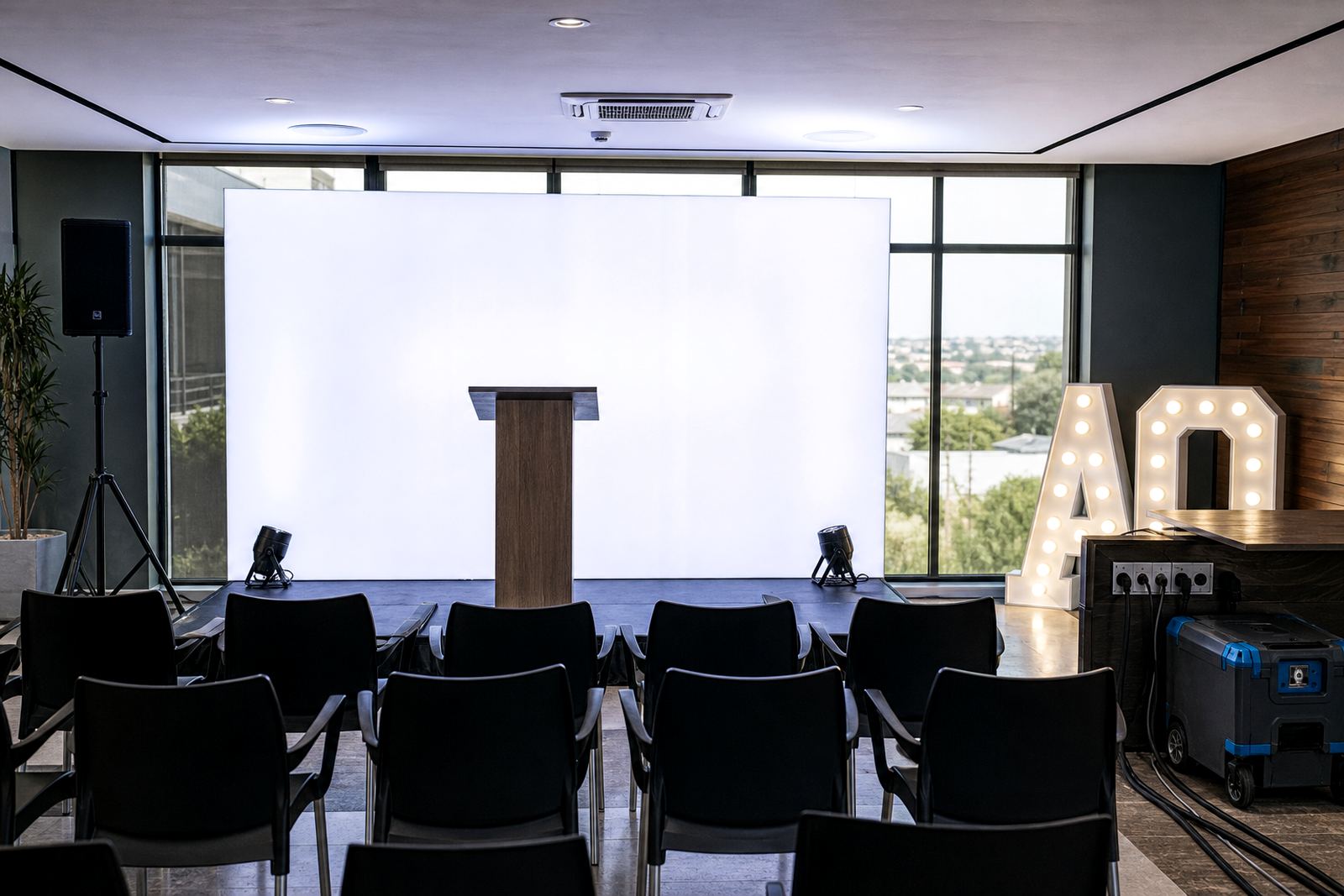
- Stage-side lightboxes to frame speakers and presenters
- Photo area layouts with layered signs and simple spacing
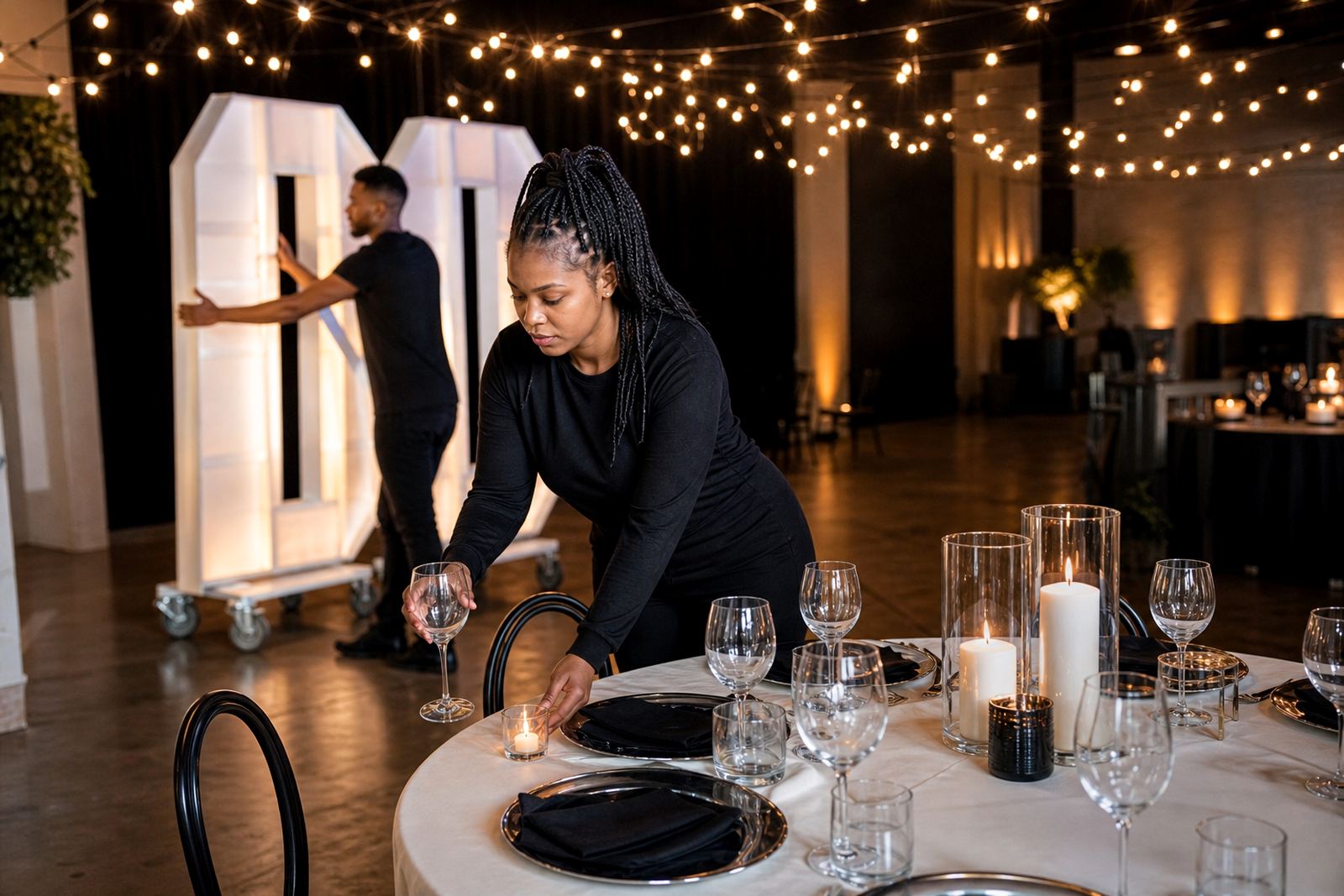
- Safe cable routing and power point checks before set-up
Indoor placement is common for launches, but some events use outdoor arrivals or terrace areas for press photos. In those cases the equipment still needs a firm position, sensible access to power points and protection from guests brushing past the cables.
Layout Choices That Help The Room Work
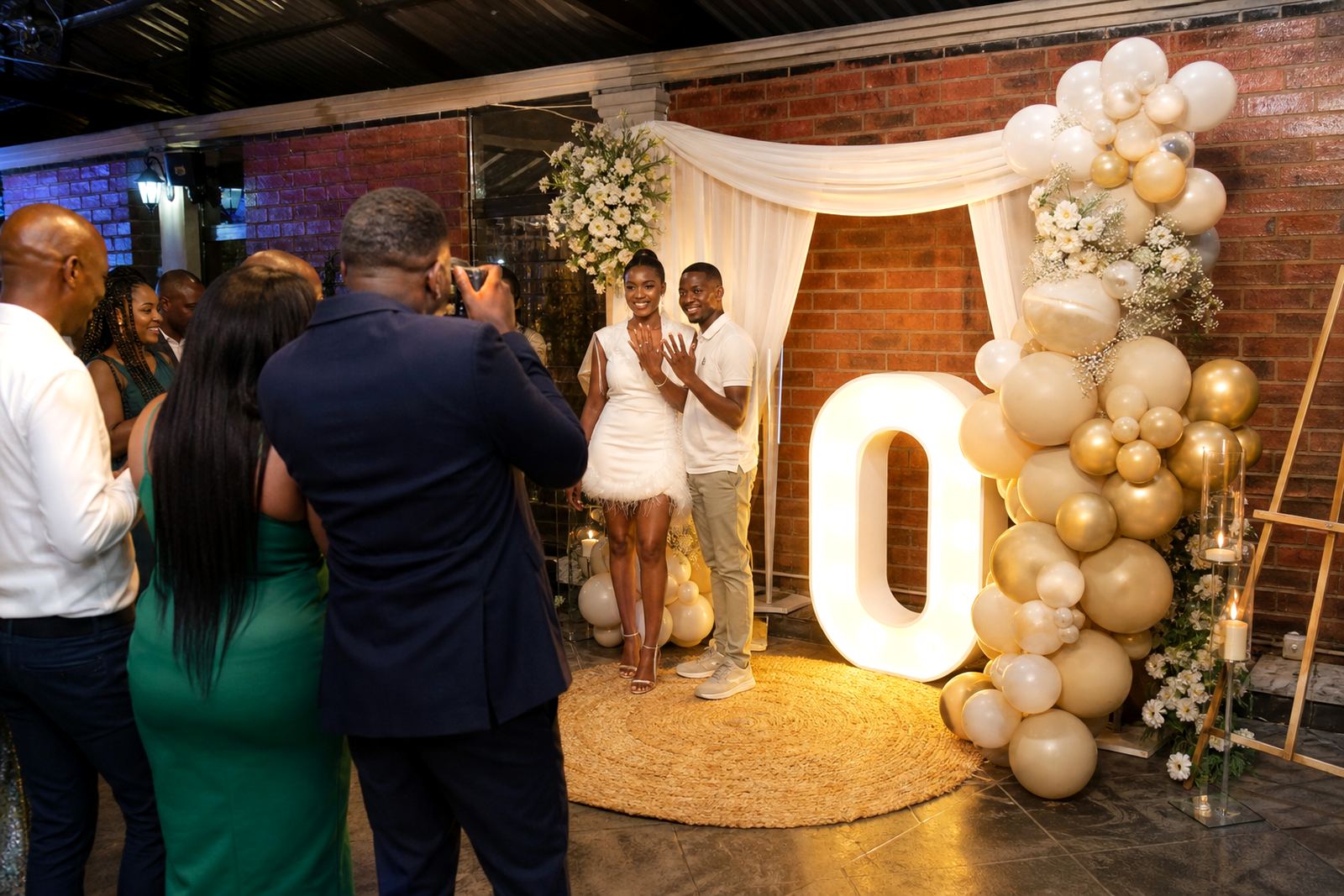
Good placement starts with the camera angle. If the launch will be photographed from the front, the logo lightbox should sit high enough to read clearly without being hidden by floral pieces, podiums or people moving across the frame. If the event is more social than formal, a photo zone near the entrance often gives better value than a large stage display that only appears in one corner of the room.
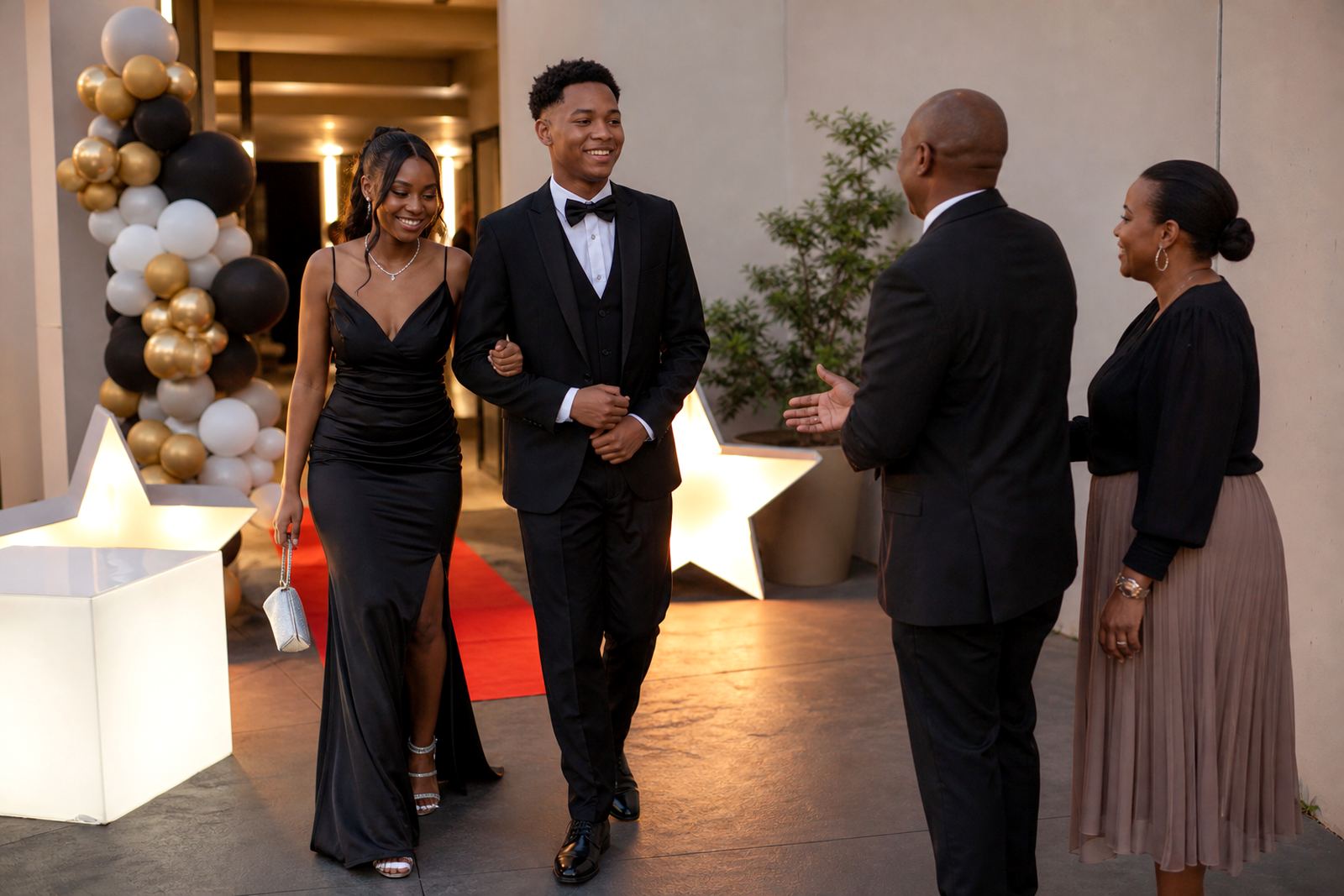
We often plan product launches around three zones. The first is the welcome point, where a lightbox or illuminated sign sets the tone. The second is the reveal or speaking area, where the product and the brand need to share space neatly. The third is the photo spot, which gives guests a place to take pictures without blocking service tables or walkways.
Venue power points matter here. If the closest point sits too far from the display, cable runs need to stay tidy and low risk. Safe cable routing helps with movement around the room and keeps the setup looking intentional, even in a busy hall. A clean line across the floor is better than loose cable loops near doorways.
Common Planning Mistakes At Launch Events
One common mistake is bringing in too much signage for the size of the room. A compact launch in Centurion does not need the same amount of illumination as a larger conference reveal in Johannesburg. Too many lit items can make the space feel crowded, while too few can leave the stage area flat and forgettable.
Another issue is mixing different visual styles without checking the overall scene. A neon-style sign, a logo lightbox and a set of marquee letters can work together, but only if the spacing is thought through. If the items are all fighting for attention, the message gets weak.
Clients also sometimes overlook delivery access and collection timing. A launch that starts late in the day, or finishes after guest departures, may need late night collection. If the venue has loading limits, stairs or tight access, that needs to be part of the plan from the start.
- Placing signs too low, where furniture or guests block them
- Choosing signage that looks undersized in the venue
- Leaving power points too far from the main feature area
- Ignoring cable routes across entrances or photo walkways
- Booking equipment before confirming the floor plan
What The Budget Usually Covers In Rand
Launch budgets vary by the number of items hired, the venue, the distance travelled and the complexity of the set-up. A simple indoor setup with one or two illuminated features usually sits in a lower spend band, while a larger launch with multiple lightboxes, a photo area and late collection moves into a higher range. Out of town logistics can add to the hire cost, especially where transport and timing need extra coordination.
For planning purposes, a simple branded display for a small product launch can start from a few thousand Rand. Mid-range setups that include more than one item, delivery and venue set-up often move higher, and larger launches with layered branding can run into the tens of thousands. The final figure depends on the layout, the quantity of units and whether the event needs extra installation detail.
It helps to separate the spend into parts: hire of the display pieces, transport, set-up, collection and any special layout work. That way the brand can see where the budget is going and decide whether the main focus should be the entrance, the stage or the photo wall.
Working Across Gauteng And Into Durban When Needed
Product launches in Midrand often draw guests from Johannesburg, Sandton and Pretoria, so delivery planning has to fit a wider catchment than a single suburb. The same applies to Centurion and Rosebank, where venue access and load-in rules can differ from site to site. Durban events bring their own logistics, especially when the set-up needs to align with venue access windows and transport timing.
The team at the Midrand base handles delivery service, venue set-up, post-event collection and multi-item installs with the equipment matched to the brief. Ayesha Chetty manages operations, Sibusiso Kekana coordinates logistics, Megan Shezi leads event set-up, Kagiso Naicker handles client bookings, Noluthando Khumalo looks after inventory and Ruan Moagi manages driving and installation work.
For launch work, the final result depends on the room, the product and the path guests follow through the space. When those pieces are mapped properly, the display feels tied to the event rather than dropped into it.