
A ceremony setup that stays in the background
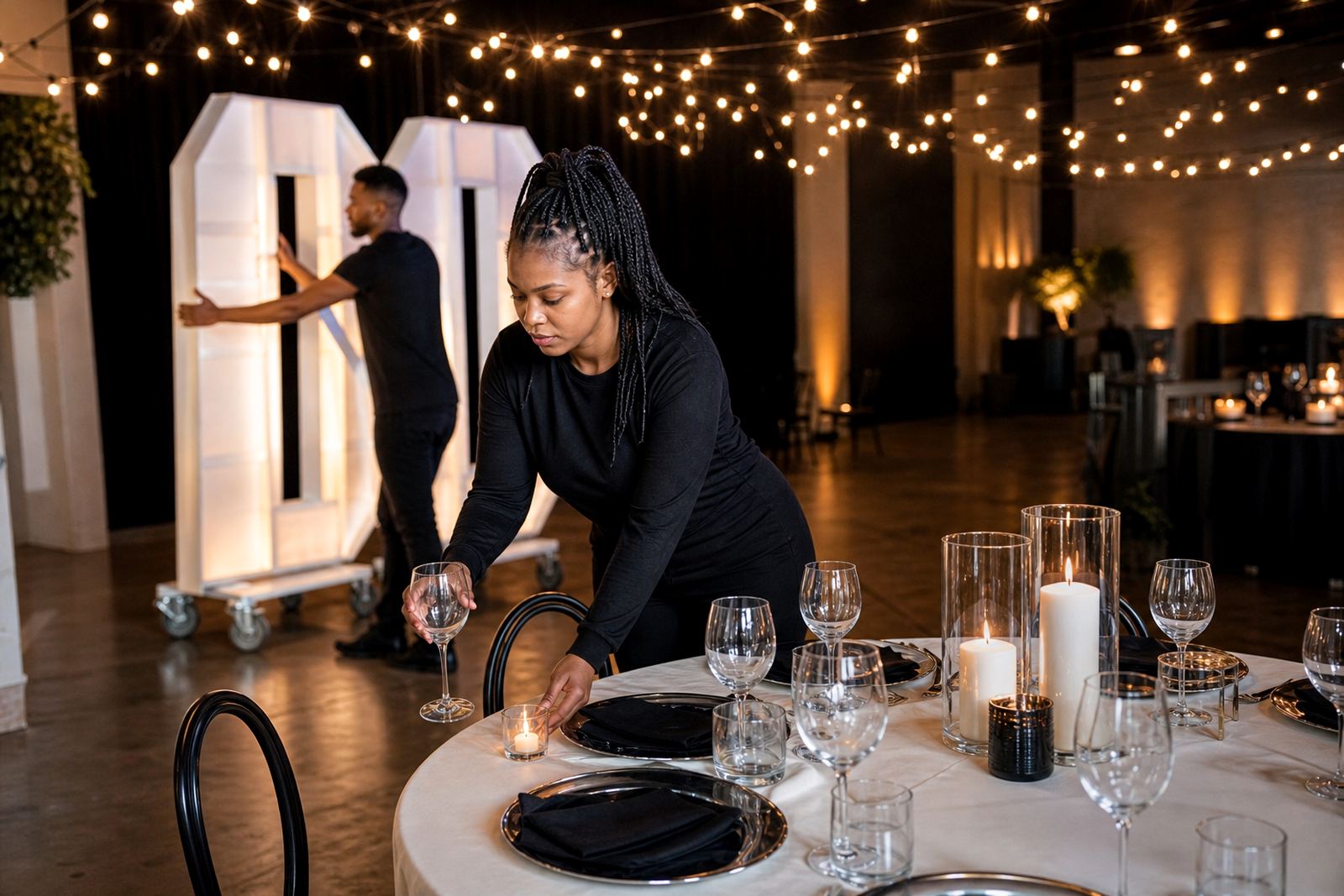
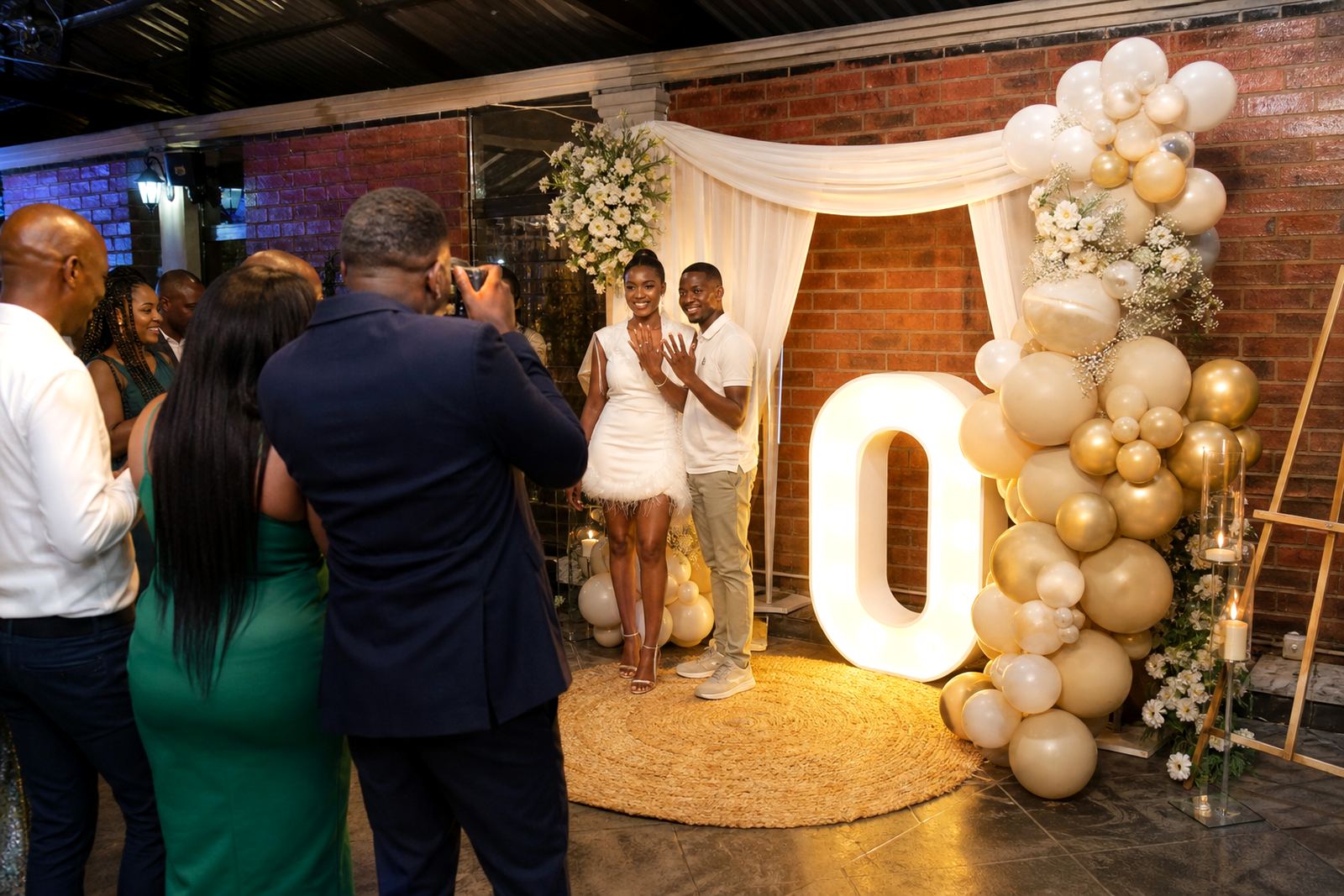
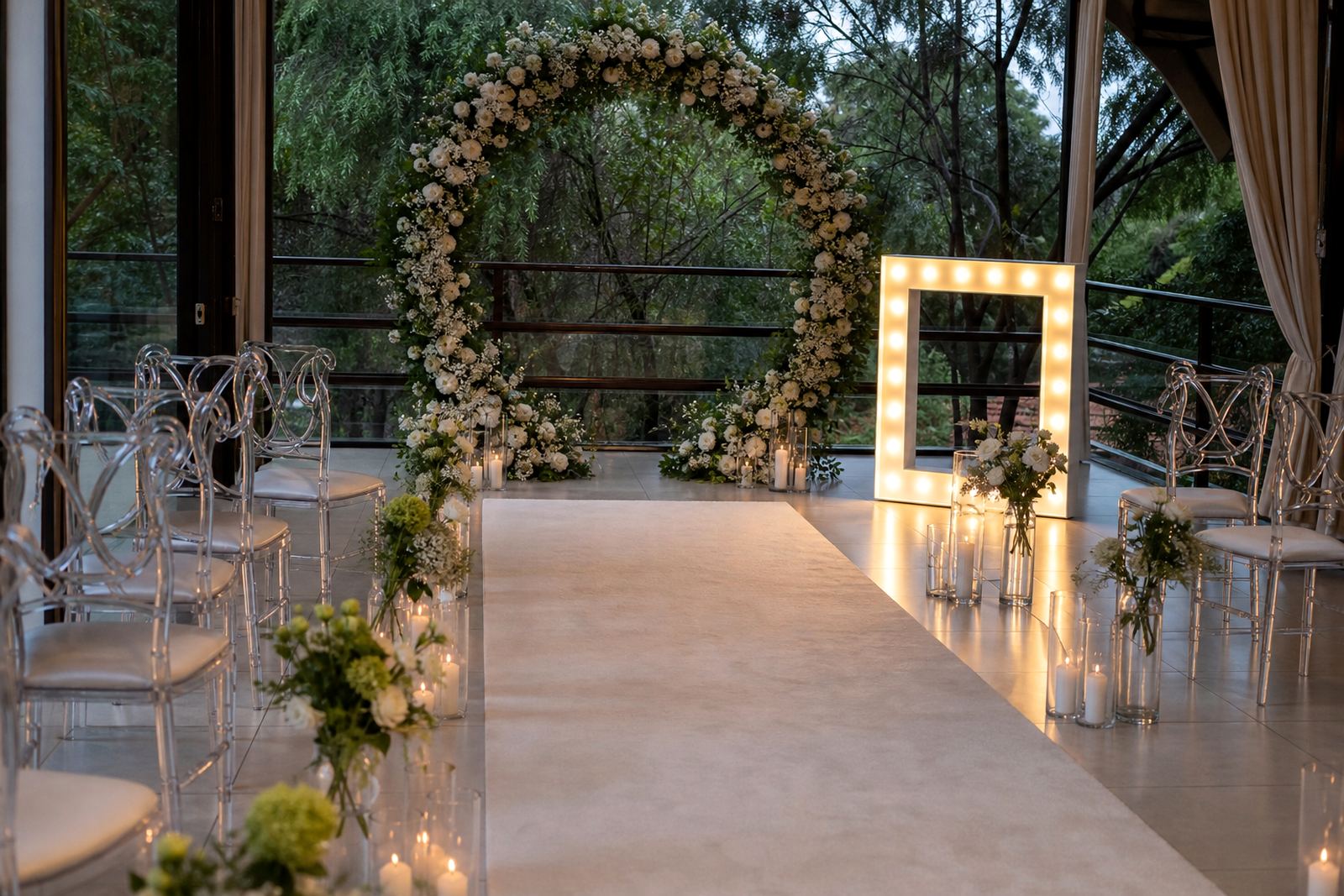
For weddings, the lighting pieces must read well in photographs and still feel calm in the room. A soft glowing sign near the entrance, initials at the reception threshold, or a low-profile lightbox beside the signing table can add definition without crowding the ceremony space.
Midrand venues vary from hotel ballrooms to garden spaces and function rooms in Johannesburg, Sandton, Pretoria, Centurion and Durban. That means the layout has to suit tiled floors, lawns, narrow aisles and mixed indoor lighting. The best result is usually one focal point, not several competing features. In a church or formal venue, the sign often sits just off the main line of sight so the couple remains the centre of attention.
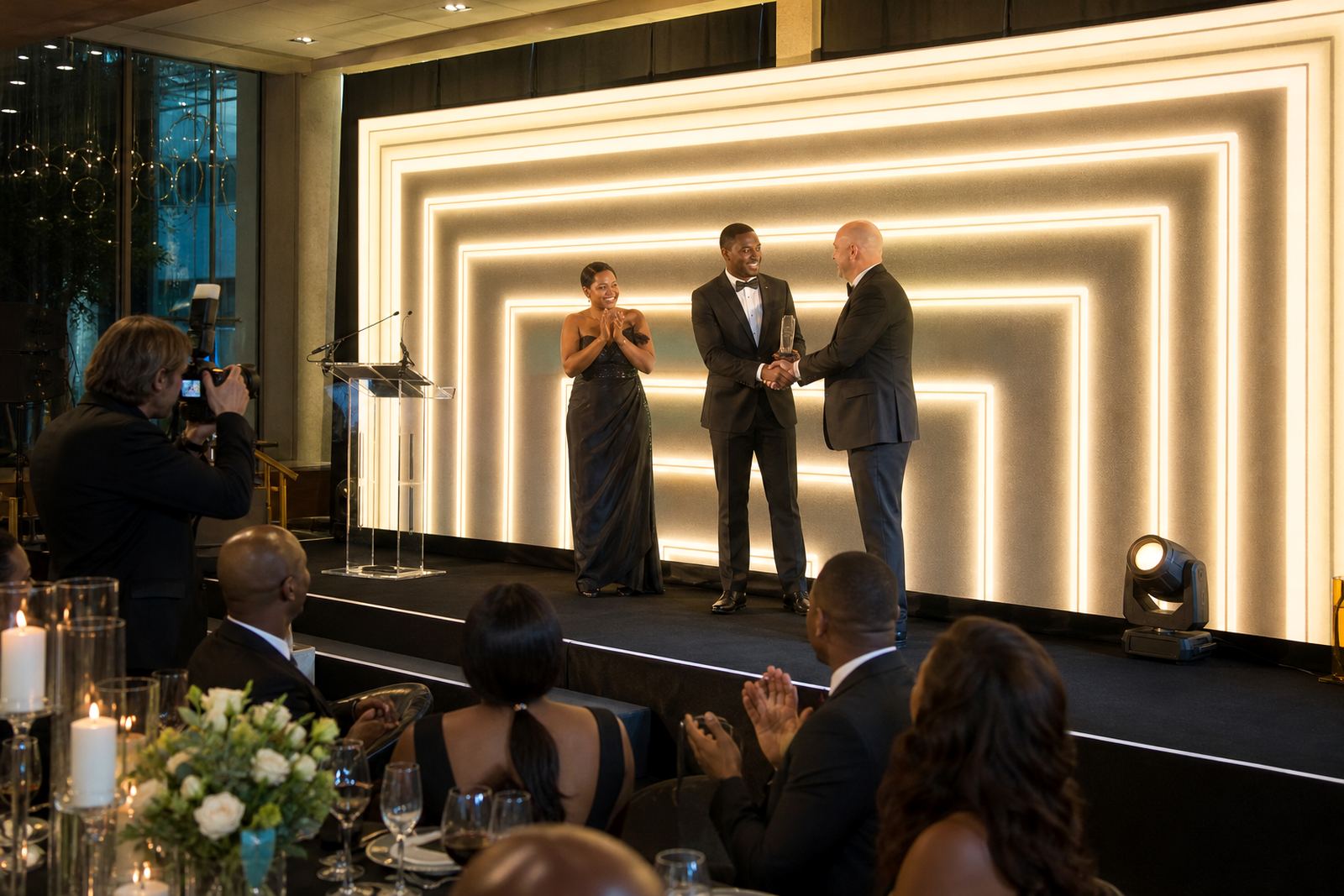
We also look at how guests move through the space. A well-placed illuminated piece can guide the eye toward the vows, the aisle entrance or the photo wall, while leaving enough space for décor, draping and seating.
Typical pieces used for wedding ceremonies
The most requested items are lightboxes, marquee letters and neon-style signs. For a ceremony, these are usually chosen for their shape and glow rather than for heavy detail. Lettering should be readable from a distance, and the colour temperature should sit comfortably with candles, flowers and white linen.
- LED lightboxes for names, dates or a short phrase near the altar or entrance
- Illuminated letters for initials, monograms or a first-name display
- Neon-style signs for a romantic line, often placed behind the couple or in a photo area
- Low stands or floor placement where the venue allows it
- Power leads, taped cable runs and secure routing around walkways
Where the ceremony moves into a reception space, the same unit can often be repositioned for the room reveal or the couple’s photo backdrop. That helps the decor feel connected without adding extra clutter.
Layout choices that work in real venues
Most ceremony spaces need clear sightlines. If the sign is too high, guests look through it. If it sits too low, it disappears behind floral arrangements or chairs. The right height usually depends on the venue ceiling, the altar height and whether the setup is for indoor or outdoor use.
For a garden wedding, wind exposure and ground conditions matter. A freestanding unit must be stable and the cable path should be kept away from the aisle, bar service and camera positions. In an indoor venue, power points are checked before the layout is finalised so the routing can stay tidy and out of the walking line.
A simple planning note helps a great deal: decide where guests will first see the sign, where the photographer will stand, and where the ceremony itself will pause for the best photo moment. That small bit of planning avoids awkward repositioning on the day.
What tends to go wrong with ceremony lighting
The most common mistake is asking too much of the sign. A wedding ceremony usually needs one clear feature, not three competing features trying to carry the same wall. Too much text, too many colours or too much brightness can make the setting feel busy rather than elegant.
Another issue is ignoring practical placement. If a cable crosses a guest path or sits near a doorway, it becomes a nuisance and a hazard. If the unit is placed against a reflective surface, the glow can wash out the lettering in photos. Outdoor installs need extra care around uneven ground and damp grass, especially in Gauteng after afternoon watering or coastal humidity when the event is further afield.
- Overcrowding the ceremony backdrop with florals, fabric and lights
- Placing the sign where the couple blocks the message
- Ignoring power access and cable routing
- Picking signage that overwhelms the ceremony space
- Setting the glow too bright for photographs
Venue power points and safe cabling
Most ceremony setups rely on nearby venue power points, so the planning starts with access and cable length. A lightbox or illuminated sign should be powered from a point that is close enough to keep cabling neat, with tape or covers used where guests or staff may cross it. The aim is plain and practical: visible where it should be, invisible where it should not be.
Safe routing matters indoors and outdoors. In ballrooms, cables can be run behind decor or along edges of the room. On lawns or patios, they need extra attention so they stay clear of shoes, trip points and wet patches. Where the venue has restricted access or rules on floor coverings, the setup needs to fit those conditions without forcing the sign into a poor position.
For multi-item installs, the order of placement matters. Larger pieces go in first, then smaller lighted elements are set around them so the final result stays balanced and the crew can work without disturbing the ceremony space.
What the budget usually covers in Rand
Wedding ceremony hire is usually priced around the combination of item type, delivery area, setup complexity and collection needs. A small illuminated sign for a compact indoor ceremony will sit at a lower level than a full backdrop arrangement with multiple letters and longer cable runs. Out-of-town logistics can also change the total, especially where the venue sits outside the main Gauteng corridor.
As a working guide, a simple ceremony feature may fall in the lower thousands of Rand, while a fuller layout with several illuminated items can move into the mid thousands. If the event needs more than one display point, late-night collection or a setup across separate rooms, the budget rises with the extra handling and time on site.
For couples planning in Midrand, Johannesburg, Pretoria, Sandton, Centurion or Durban, the most useful approach is to match the display to the ceremony structure first, then add only the pieces that improve the photographs or the room entrance. That keeps the spend tied to the parts guests will actually see.