
A clear menu point that holds attention
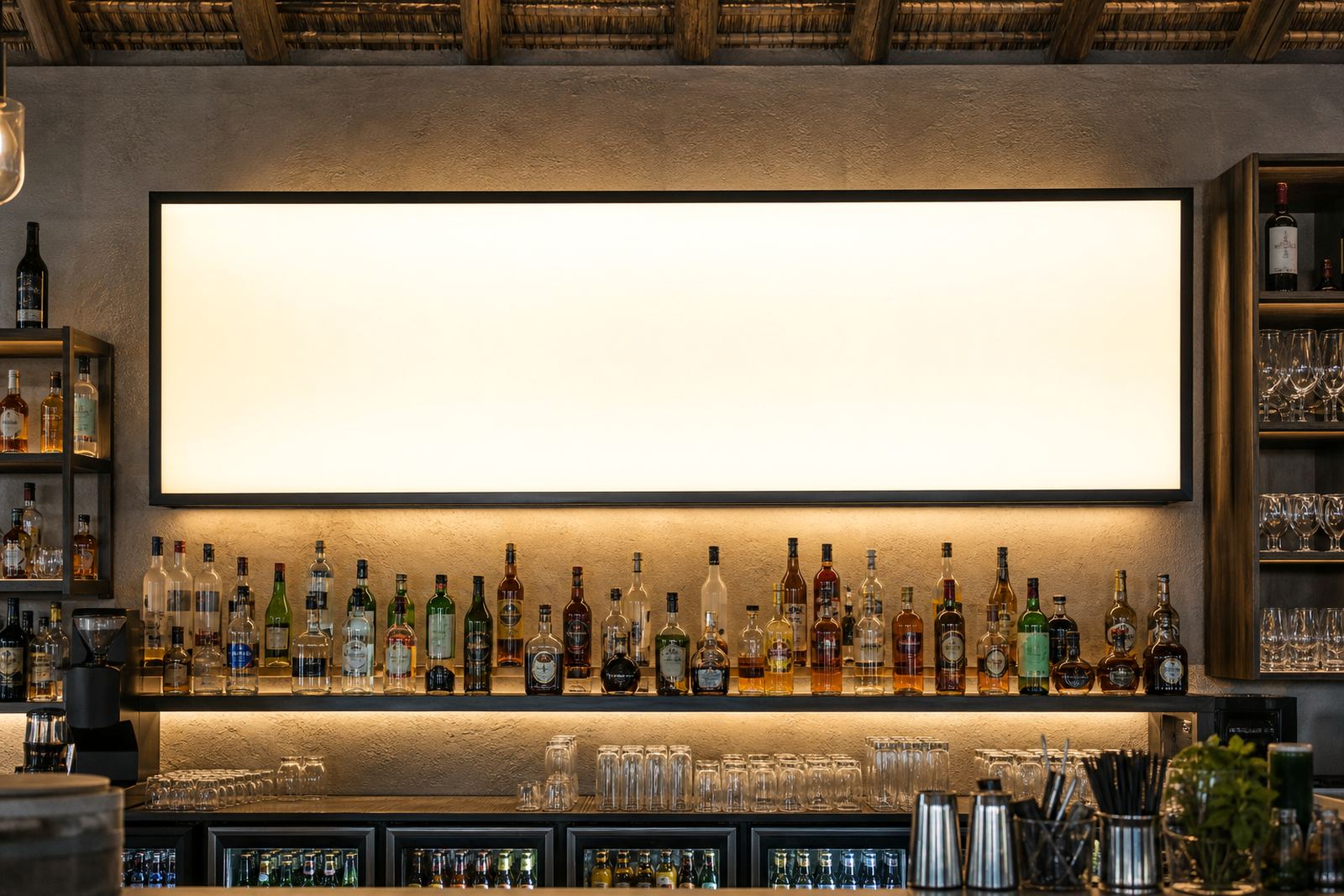
A menu lightbox is a slim illuminated display used for food names, service notes and event menu details. It gives a sharp front-facing glow that works well beside plated dinner stations, dessert tables, chef stations and bar counters where guests need to see information without crowding the layout.
For weddings, launches and corporate functions, the unit also helps keep the service area orderly. The sign can carry a printed menu panel, a welcome line or a set of course names, and the illumination makes the text readable in dim ballrooms, tent interiors and evening receptions. The frame sits neatly on a stand or on a secure surface, with the cable routed away from foot traffic and staff movement.
Our menu lightboxes are hired as event signage, set where guests can read the menu. That means delivery, placement, power point checking and collection are handled around the service plan so the display sits where guests can read it and the catering team can work without clutter.
Sizes, frame styles and display formats
Menu lightboxes come in formats that suit close reading and quick guest traffic. Smaller units work well for single menu cards, while larger panels give more room for several courses, station names or branded wording. Some events use one central illuminated panel, while others place two or three units across different service points so guests can read what is on offer before they queue.
- Compact tabletop format for welcome drinks, canapés and dessert notes.
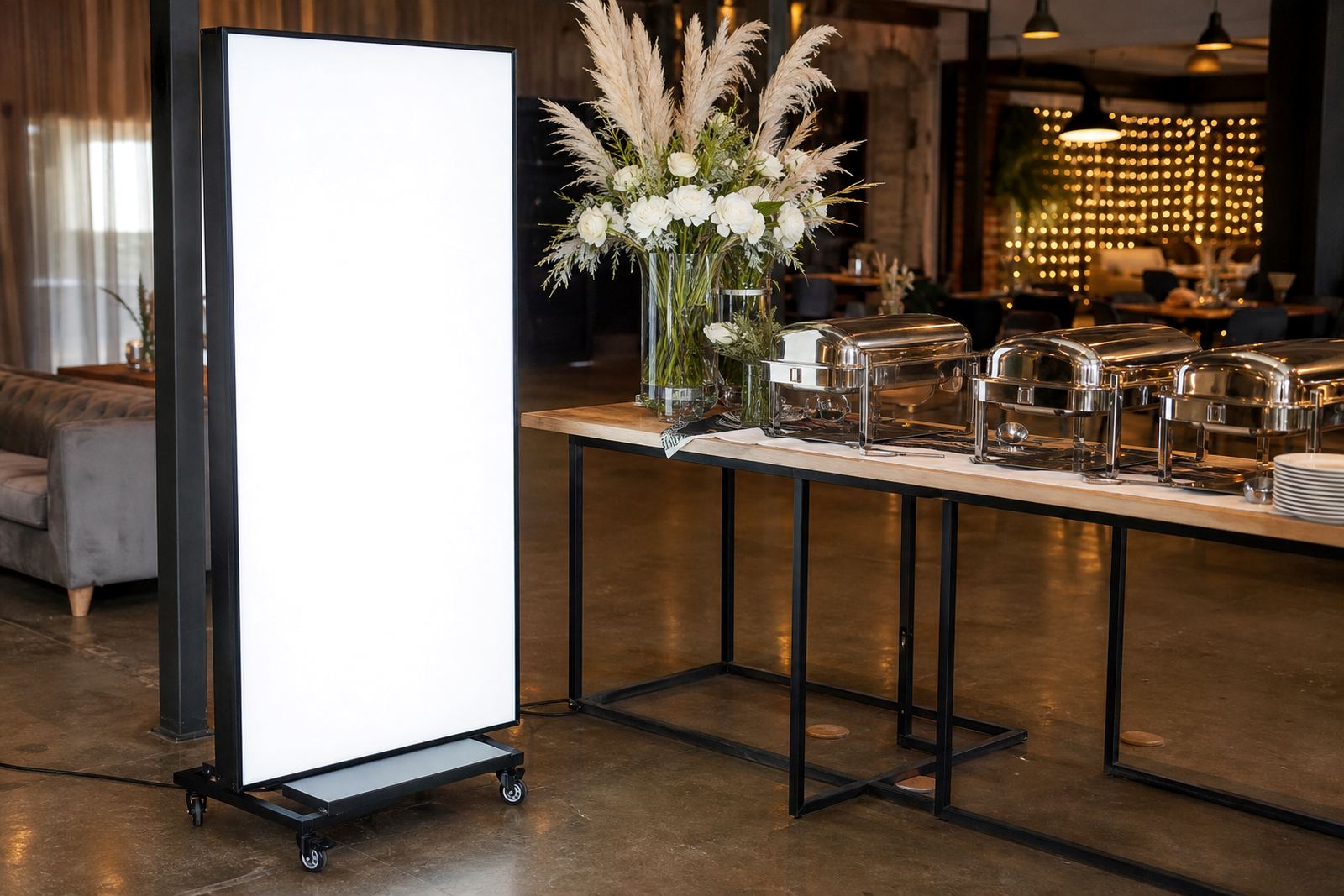
- Mid-size floor or counter unit for buffet labels and plated dinner menus.
- Larger illuminated panel for main service areas, photo backdrops or sponsor wording.
- Single-sided display for placement against a wall or behind a station.
- Double-sided option where guests approach from both directions.
Frames are usually slim, clean-lined and made to sit inside event styling without looking bulky. Colour temperature can be matched to the room where needed, and the printed insert or graphic panel should be prepared to suit the final wording and layout. At venues in Johannesburg or Sandton, where the room finish is often polished and formal, a neat white frame or neutral casing keeps the display calm and readable. In more casual spaces around Midrand or Pretoria, the same unit still works, just with a lighter styling load around it.
Where menu lightboxes earn their place
This product suits events where people move past food stations and need information at a glance. It is common at wedding receptions, conference lunches, cocktail evenings, year-end functions and product launches, especially where the menu is part of the décor and must be legible in photographs as well as in person.
Menu lightboxes also work well beside:
- Buffet tables with course names and allergen notes.
- Plated dinner entrances where guests are shown the evening menu.
- Food stations with chef signatures, tasting notes or serving order.
- Outdoor under-cover service points where evening light falls away.
- Corporate hospitality areas where branding and menu information share the same view.
They are best placed where the queue moves slowly enough for reading, but not so far from the serving point that the information feels detached. At a Durban function, for example, the display may need extra care with humidity and an indoor or sheltered position. In Gauteng ballrooms and hotel spaces, the lightbox often becomes part of the front-of-house styling and helps the catering team keep the service area clean and direct.
Set-up, power and cable routing on site
These units run from mains power, so the venue layout needs a proper power point close to the installation point. A standard set-up may include checking the socket position, confirming the cable run and placing the unit so guests and staff do not catch the lead during service. Where a table or plinth is used, the surface should be level and steady enough to keep the frame sitting square.
Safe cable routing matters at every event. Leads are kept tight to the edge of the room, lifted where possible and taped or covered where foot traffic passes. On larger installs, especially at corporate venues or wedding halls with several service points, the menu lightbox may be one of several illuminated items running from the same supply. That calls for tidy planning so the setup stays orderly and the catering flow is not interrupted.
We also check whether the display is needed indoors, under a marquee or in a sheltered outdoor area. Outdoor placement needs extra care around weather exposure, especially near open entrances or poolside setups. If the unit is used as a photo-facing menu board or part of a styled food station, the angle and height should be set so the text reads cleanly from the guest side.
Keeping the panel clean and readable
Menu lightboxes are hired for presentation, so the front panel needs to stay free from fingerprints, dust and food splatter. A soft, dry cloth is usually enough for the frame and outer surface. If the display panel is printed or fitted with a graphic insert, it should be handled carefully during setup and collection so the edges stay neat and the wording remains crisp.
In venues with a lot of activity around the buffet, the unit should be placed a little back from the busiest serving line. That helps prevent knocks from trays, tongs and serving dishes. For evening functions, the light output should be bright enough to read but not so strong that it washes out the menu text. A clean display is always easier to read in photographs, which matters when the food service is part of the event's visual record.
If the venue has polished floors, carpet or narrow service corridors, the base should be positioned so it does not shift when staff move around it. After the event, the collection team can remove the unit once the service area is clear and the power cable is safely detached. That keeps the frame in good condition for the next hire and avoids marks on venue surfaces.
What to confirm before booking a menu lightbox
Before the hire is confirmed, a few practical details help the install run cleanly. The wording has to match the final menu, the size must suit the viewing distance, and the venue layout should support the power point and placement. If the display is part of a wider food station, it helps to know where the serving counter sits and which side guests approach from.
- Final menu wording and any spelling that must be exact.
- Preferred size, upright format or wider panel format.
- Indoor, covered outdoor or fully sheltered placement.
- Venue name, suburb and access notes for delivery and collection.
- Power point position near the display location.
- Whether the unit is for buffet notes, plated dinner details or branding text.
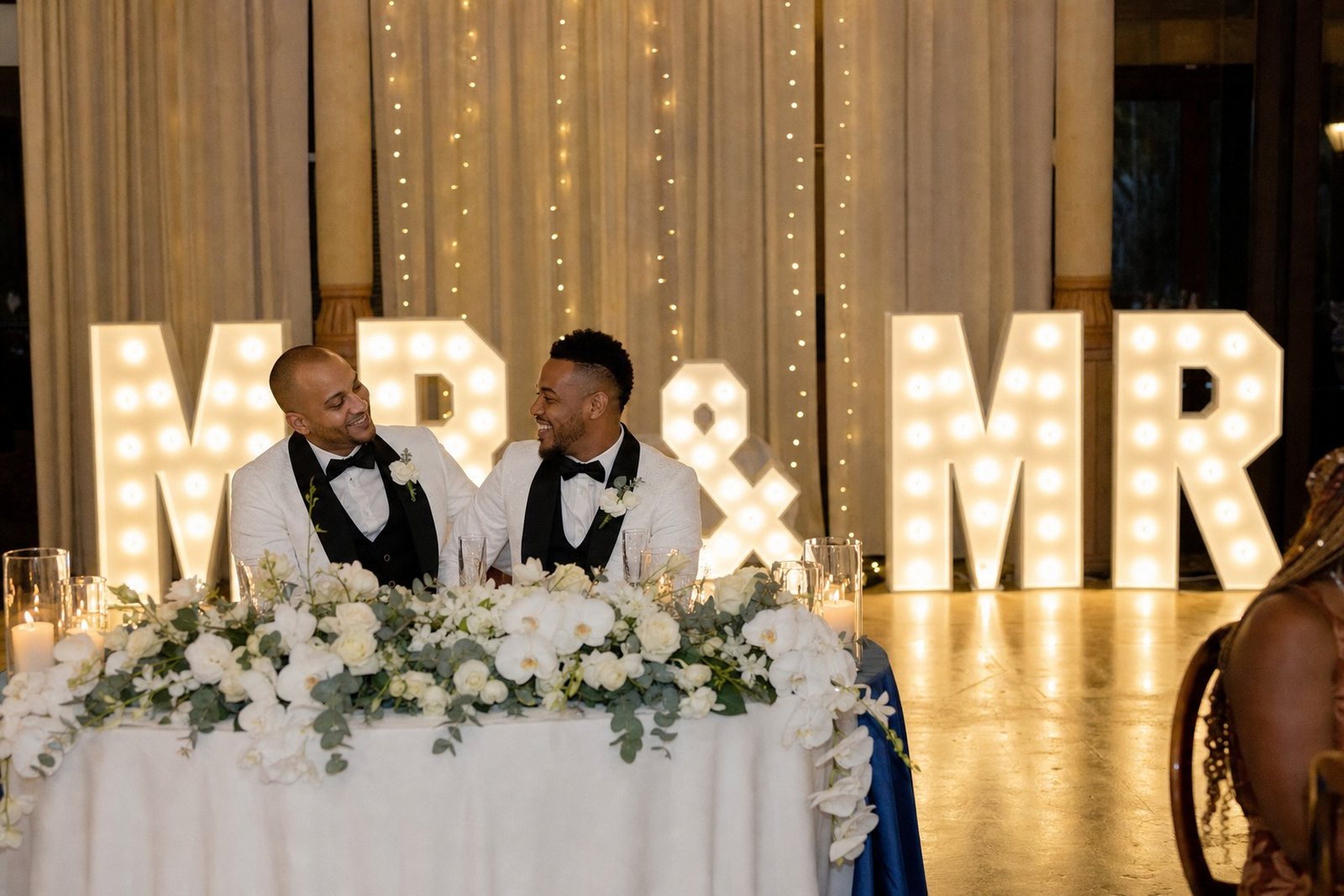
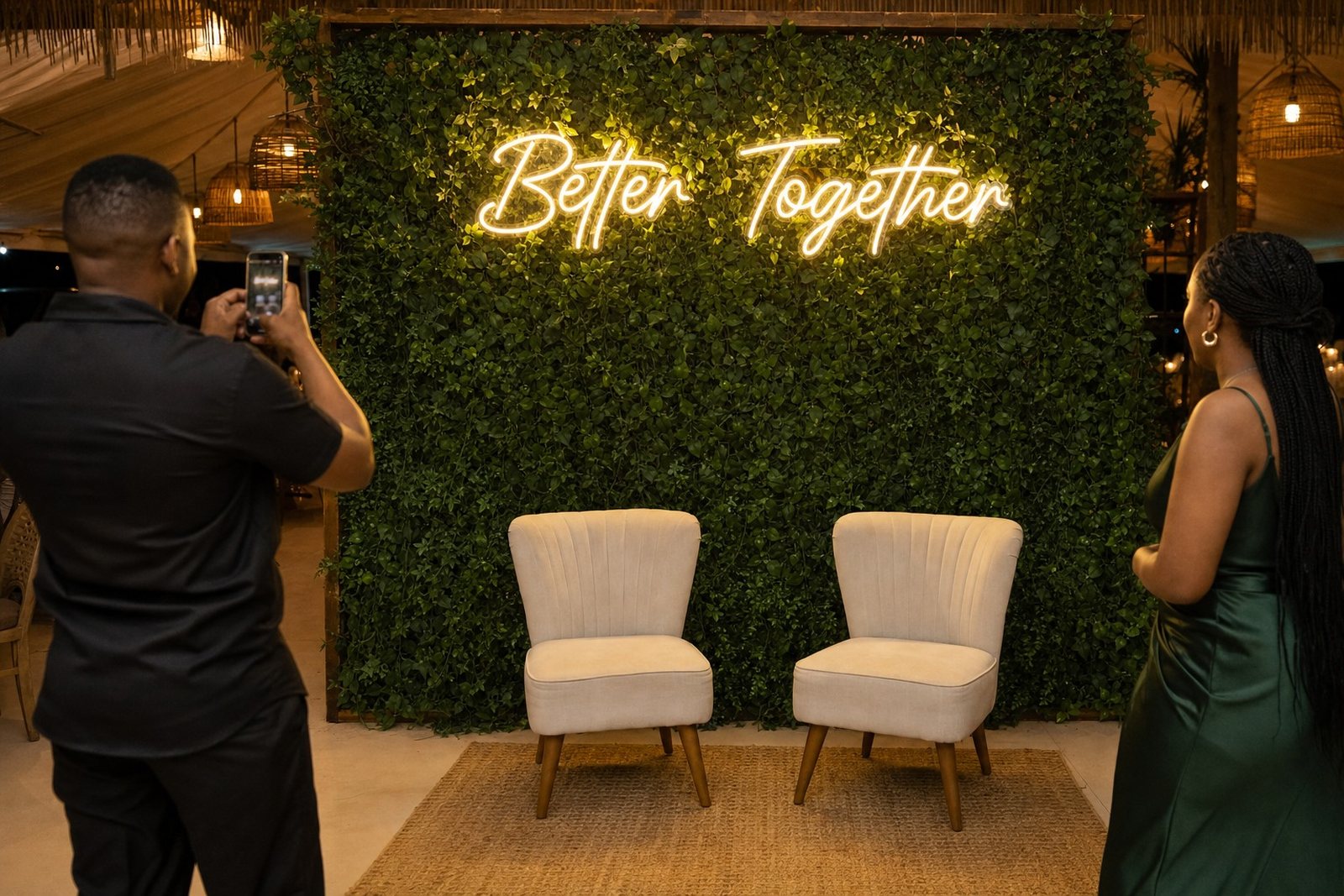
For events across Midrand, Johannesburg, Pretoria, Sandton, Centurion and Durban, the delivery team plans around access, loading points and the route into the hall or marquee. If the menu lightbox is being used with marquee letters, neon-style signs or other illuminated pieces, the placement order matters too, so the full layout reads well in the room and the cables stay out of the guest path.
Key facts
| Product type | Illuminated menu display for events |
|---|---|
| Typical use | Buffets, food stations, plated dinner information and welcome menus |
| Power | Runs from mains power through a standard venue supply point |
| Placement | Indoor, covered outdoor or sheltered service areas |
| Display formats | One face or two, set by where guests stand |
| Hire support | Delivery, venue set-up, post-event collection and safe cable routing |