
Where a lightbox earns its place on the floor
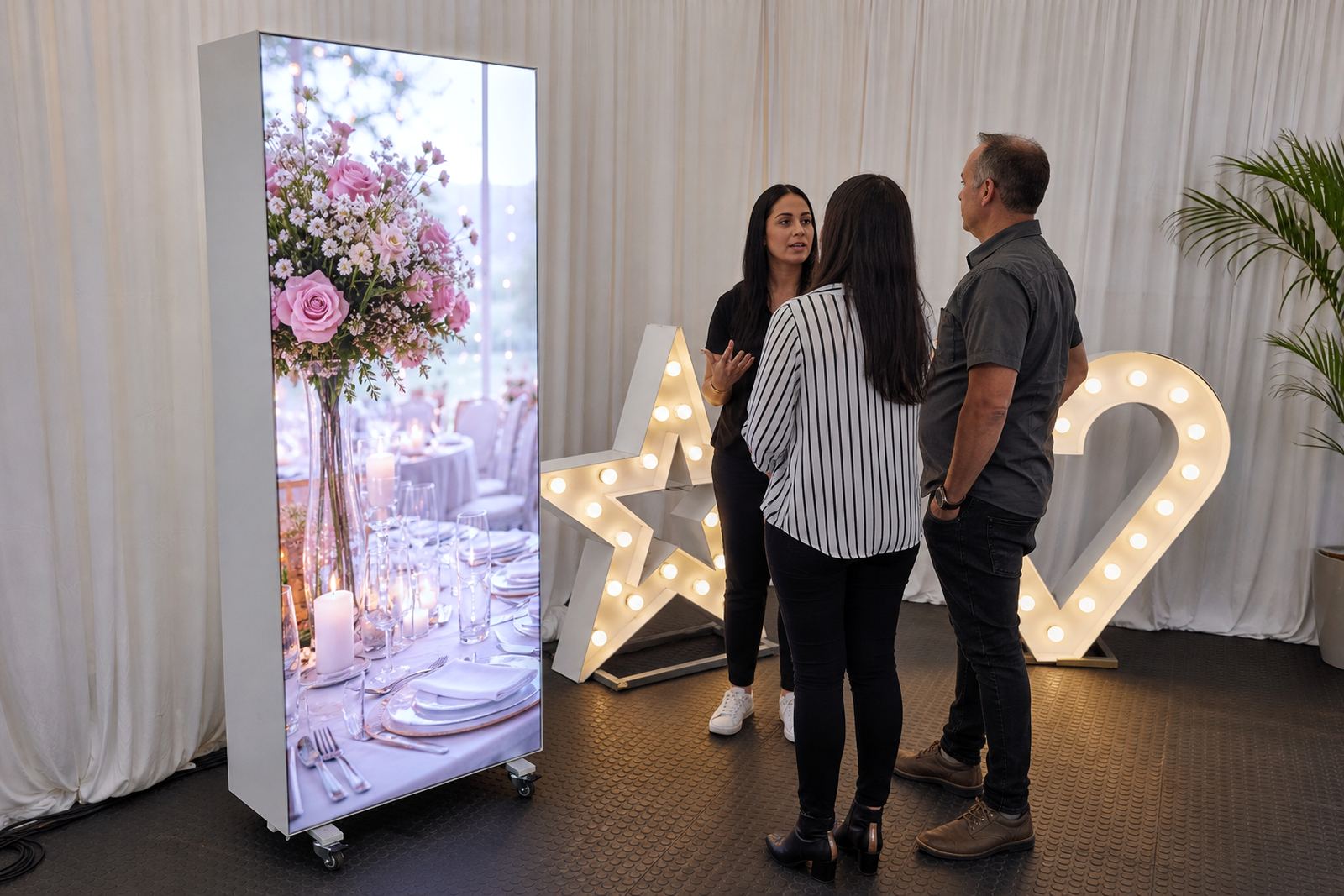
The best expo stands are easy to read from a distance and comfortable up close. Lightboxes work well as a back wall, a corner marker or a centre point in a photo area. If the stand has a demo counter, the panel behind it can carry the main title while the counter remains free for samples and paperwork.
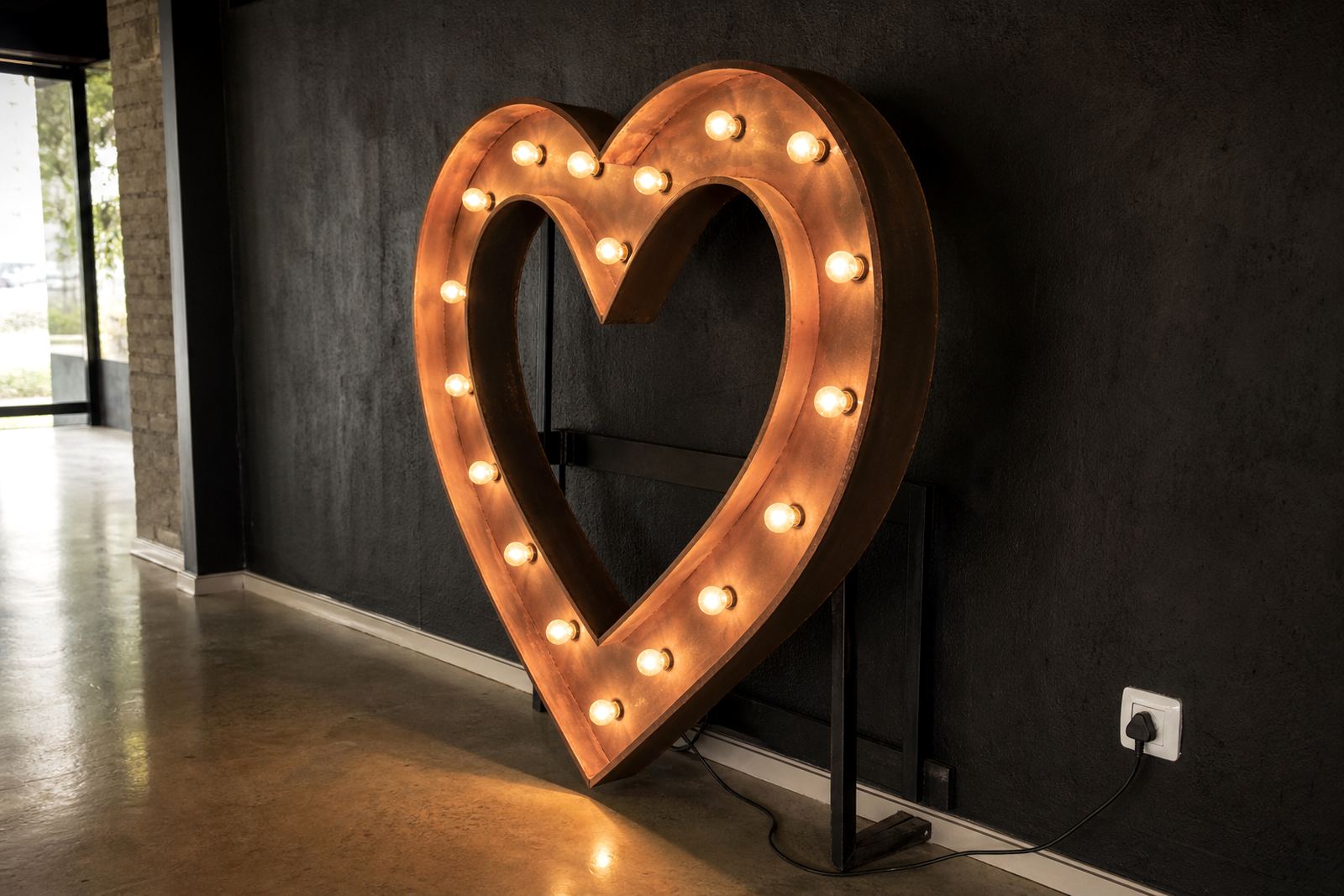
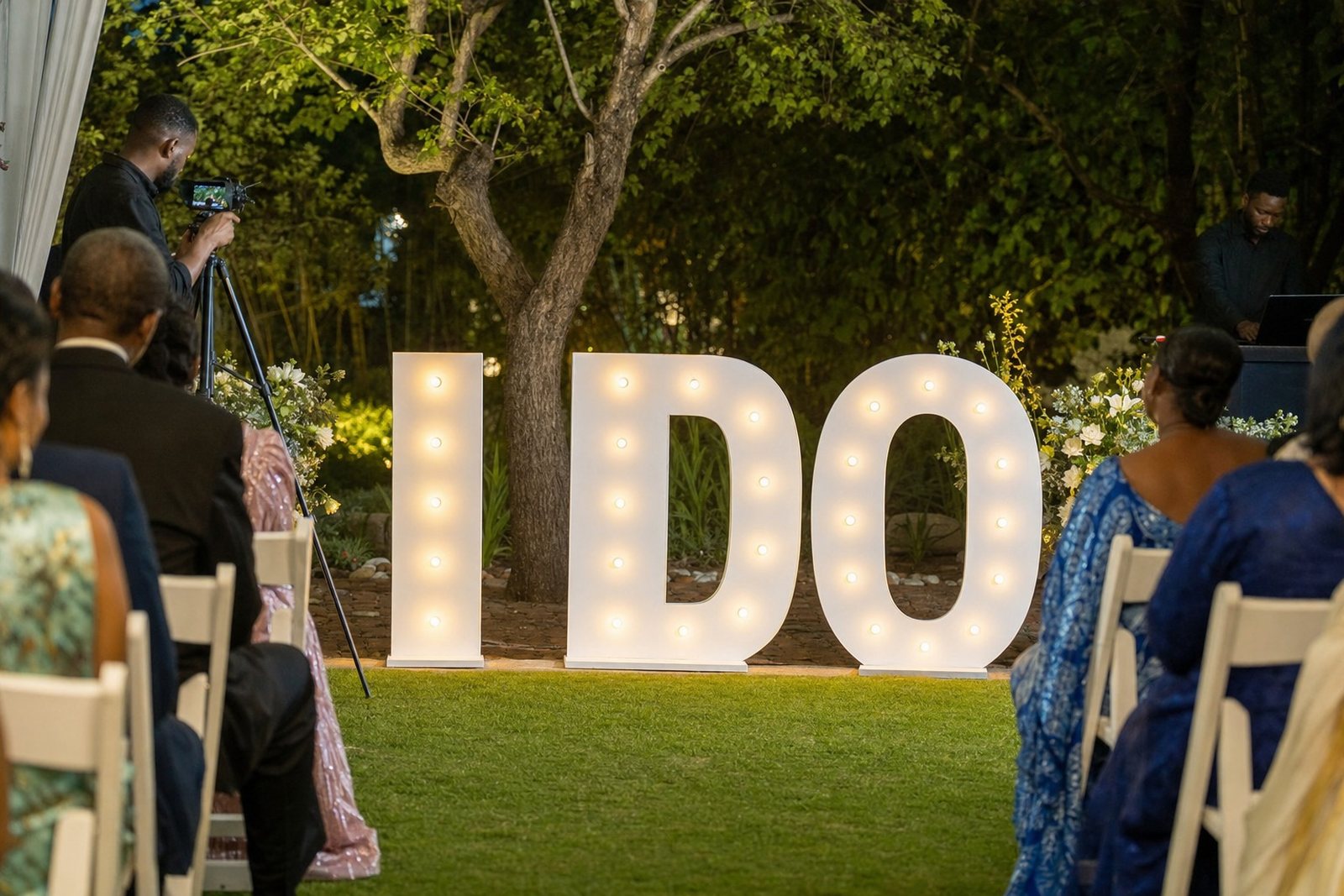
Marquee letters and neon-style signs can add a second layer when the brief calls for a more social look. They work well at launches and lifestyle expos, especially where visitors are likely to take pictures. For product ranges, a set of illuminated letters can mark a zone inside the stand, while the lightbox handles the brand name or campaign line.
In halls around Johannesburg and Pretoria, organisers often want movement around the stand without blocked corners. That means the display needs to stand upright, stay stable and keep cables out of the walkway. A tidy layout is not only neater, it is easier for staff to work in during a busy show.
Power points, cabling and the parts people do not notice
Some expo organisers prefer a stripped-back look, especially for corporate launches, service demonstrations and internal launches. In those spaces, a lightbox does more work than a stack of banners because it gives height, brightness and a fixed point of focus. It also photographs well, which helps when attendees share stand images after the event.
A local example is a Midrand product launch where the stand needed to fit in a narrow bay between two larger exhibitors. A single illuminated panel behind the presenter gave the area a proper edge without taking away floor space. The rest of the stand stayed open for product samples and short conversations. That balance is often what makes the display feel ordered rather than crowded.
Durban venues bring another layer to consider, especially where the air is humid and the event runs near the coast. Gear needs to be handled carefully, and the placement should allow enough space for clean set-up and collection without rushing through the aisle. Even indoors, a well planned route helps the stand keep its shape across the day.
Useful combinations for exhibition work
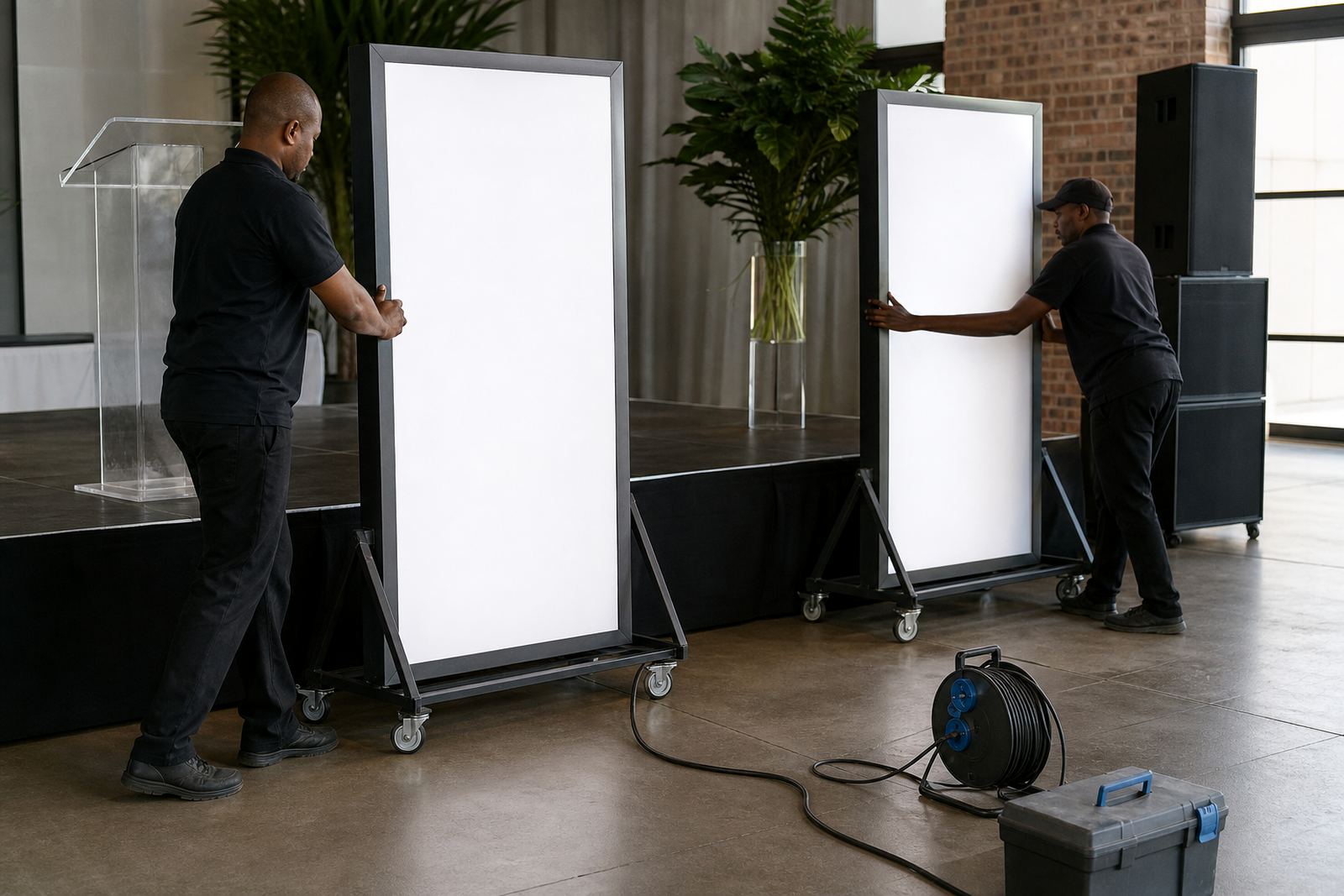
Exhibition work is rarely just about the item itself. It also depends on getting the pieces to the venue in order, placing them neatly and taking them out without disturbing the rest of the stand. That is where a proper delivery service, venue set-up and post-event collection matter. The aim is to fit the installation into the move-in and move-out rules of the site, not to force the site around the equipment.
For Gauteng shows, that can mean Midrand, Johannesburg, Pretoria, Sandton or Centurion. Out-of-town logistics matter too when a stand travels further afield. The same basic standard still applies: the display should arrive clean, stand straight and leave the floor clear after pack-down. When the stand is being used for a launch or a trade show, that tidy finish helps the venue team as much as the exhibitor.
Some expos also call for late night collection after the floor closes, or a multi-item install when several lit pieces are used in one space. In those cases, the setup team needs to move in a controlled order so the lightbox, signs and cabling all sit where they should before doors open.