
Venue type changes the job before the lights switch on
A carpeted hotel ballroom in Sandton asks for a different setup from a courtyard in Midrand or a terrace in Pretoria. Indoor spaces usually give you flatter floors, closer power points and better control over glare, while outdoor spaces need more attention to footing, weather and access for the vehicle carrying the units.
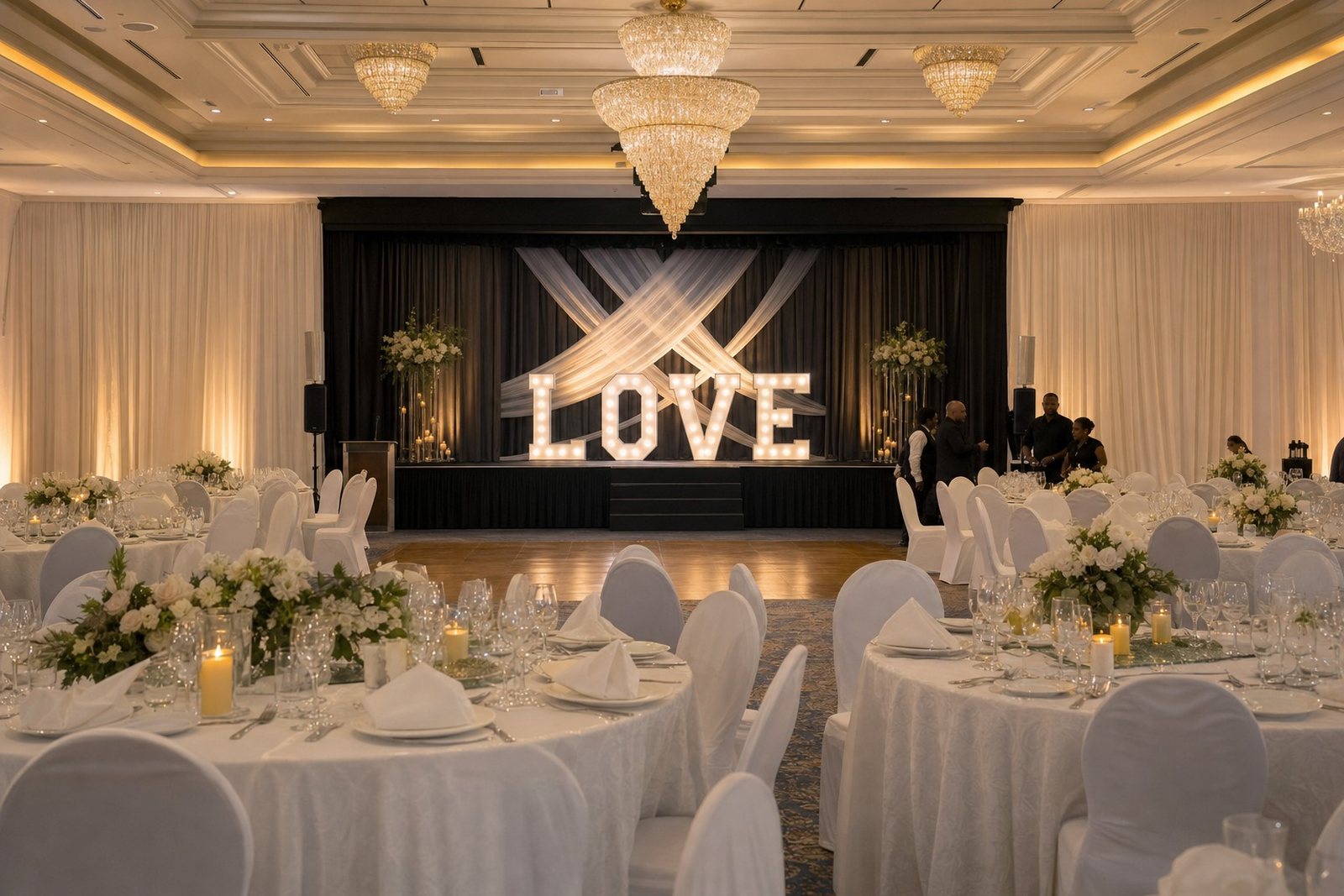
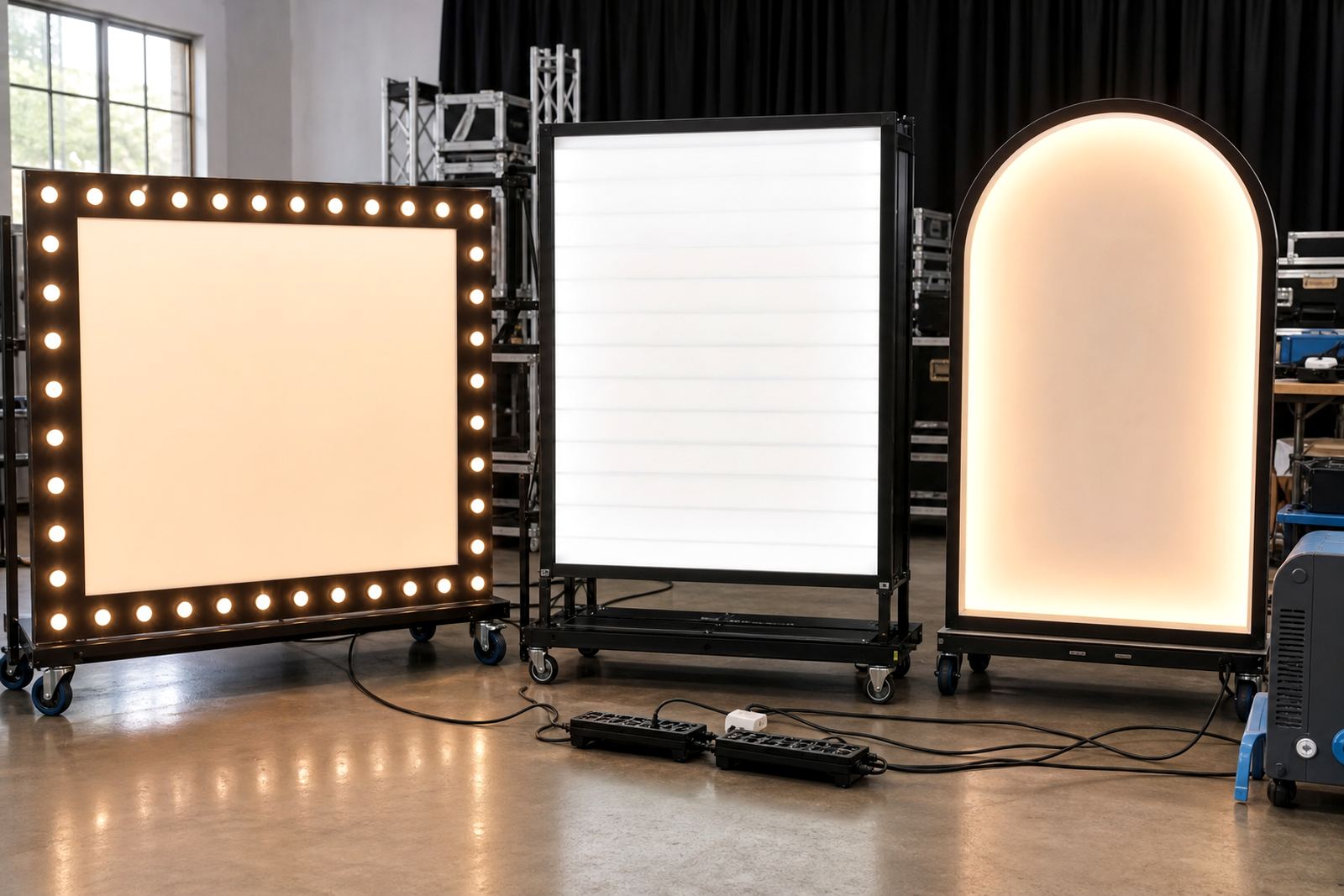
LED lightboxes work well where you want a strong graphic or message to hold its shape in photos. Marquee letters suit entrances, dance floors and stage edges, while neon-style signs are often placed against a wall, hedge or panel so the glow stays readable from a distance. The right choice is less about trend and more about where people will stand, walk and take pictures.
Indoor placement works best when the room is already busy
Indoor venues often have tighter layouts, so the lightbox or illuminated letters need to sit where they add value without blocking service routes or sightlines. A foyer, reception room or stage-side area usually gives enough space for a photo point and keeps the display away from spillages, chair movement and staff traffic.
- Place units where guests naturally pause, not where they must be directed twice.
- Check ceiling height if the letters are tall or stacked near décor panels.
- Leave room for cables to run neatly behind furniture, not across walkways.
- Test the sign from the main camera angle before finalising the position.
For indoor corporate functions in Rosebank or Fourways, a clean wall behind the sign can help the message read better and avoid reflections from polished floors or glass surfaces.
Outdoor setups need firmer planning around ground and weather
Open-air weddings and product launches can look excellent with illuminated pieces, but the surface under the units matters. Grass, pavers and gravel each need a different approach, and a slight slope can affect how stable a free-standing letter or lightbox feels once people gather nearby.
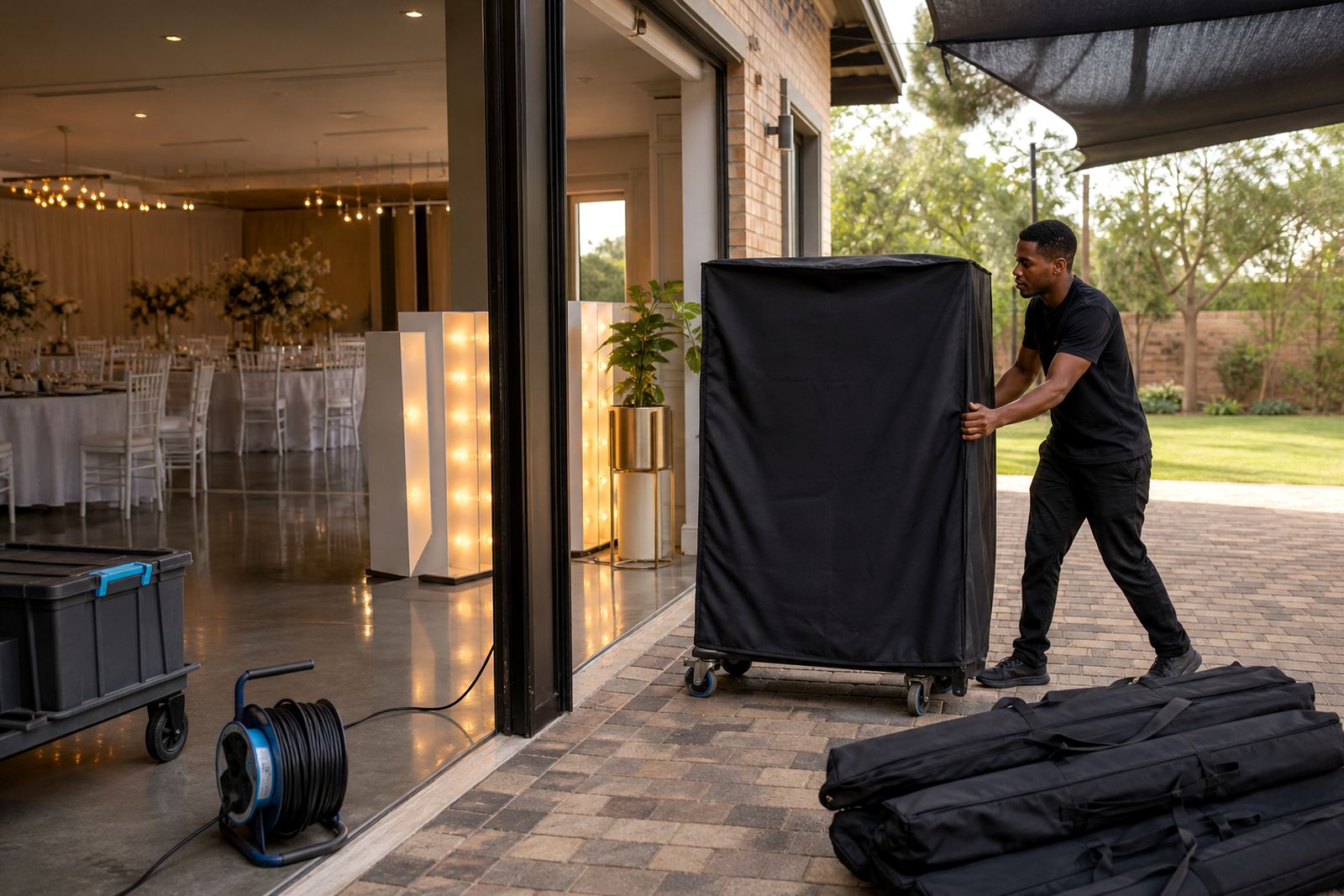
Weather is another factor. Coastal humidity can be rough on exposed fittings, while wind in a garden venue may call for extra weight, shorter cable runs and a more sheltered position. Outdoor displays also need enough distance from wet ground, sprinklers and service paths so the installation stays tidy and safe.
In Durban, a beachfront or garden function may need tighter protection around the power point and careful routing of cables through covered access points. The aim is not to hide the fact that the unit is powered, but to keep the installation neat and clear for guests and venue staff.
- Use level ground wherever possible, especially for freestanding letters.
- Keep cables away from doorways, wet grass and movement corridors.
- Ask for a position that protects the face of the sign from direct rain or strong wind.
- Allow space for collection after the event, especially if furniture or décor is moved during the night.
Power points and cable paths shape the layout
LED lightboxes and illuminated letters usually need a nearby venue power point, so the layout should start with access rather than with the photo spot. A beautiful position is of little use if the nearest socket is hidden behind drapes, buried under staging or too far from the intended display.
Safe cable routing matters in both indoor and outdoor settings. Indoors, the route must avoid guest flow and stay flat against the floor or behind fixtures. Outdoors, the cable path should stay dry, visible to the setup team and clear of pinch points where doors, gates or furniture could trap the line.
When the venue is in Centurion or Johannesburg, a quick power point check during setup helps avoid moving the whole display later. It also helps the team decide whether the best place for the sign is the original plan or a nearby spot that gives cleaner access.
Marquee letters and lightboxes do not behave the same way
Marquee letters have more physical presence and usually suit entry statements, dance floor backdrops or head-table framing. Lightboxes work well when the event needs a printed message, monogram or logo to stay legible at a glance. Neon-style signs bring a softer glow and are often used where the décor is already busy and the sign should not overpower the room.
The best choice depends on the room, the angle of view and how close guests will stand. A small indoor room in Midrand may only need one statement piece, while a larger corporate function could use a combination of letters and a lit sign to anchor different areas of the venue.
- Use marquee letters where the form itself should stand out.
- Use lightboxes for messages, names or brand marks.
- Use neon-style signs for a softer visual edge in photo areas.
- Mix units only when each one has a clear job in the room.
A mixed-use venue in Gauteng
A wedding reception in Midrand can move from open lawn to covered dining area in one evening, so the display plan needs to suit both spaces. The welcome sign may work best under shelter near the entrance, while the marquee letters can sit in a photo area once guests move indoors after sunset. That arrangement keeps the display readable and gives the venue more control over foot traffic.
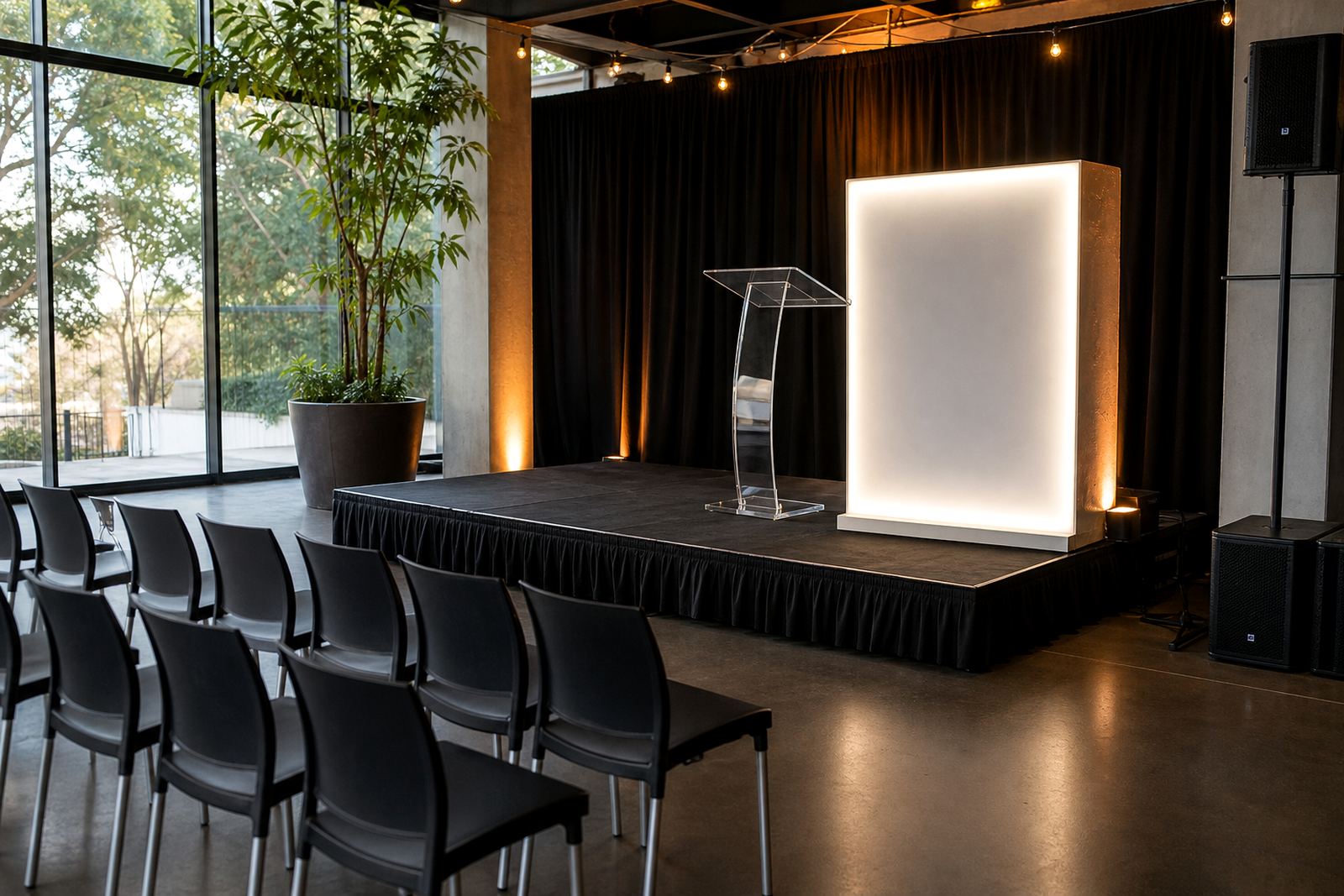
For a corporate launch in Sandton, the brief may lean toward a branded lightbox near reception and a second illuminated piece beside the stage. In that setting, the room layout, the number of guests and the camera positions matter more than the size of the venue itself. A good setup makes the sign visible without forcing people to crowd around it.
In both cases, delivery, set-up and post-event collection need to follow the same practical order. The sign should land where the venue allows access, the cables should disappear into the route that makes the most sense, and the team should leave enough room for staff to finish service without working around the installation.
Choose the option that suits the available space safely
Indoor or outdoor is not just a style question. It changes the height, the footing, the power access and the way guests move around the display. A venue that looks perfect in the morning can become awkward after tables, chairs and décor are set, so the final position needs to respect the room as it will be used at the event, not as it looked on arrival.
When the placement suits the venue, the sign looks natural and the photographs hold up. That is the point of a well planned illuminated install: the unit should feel like it belongs where it sits, whether that is a ballroom in Pretoria, a launch venue in Johannesburg or an outdoor celebration in Durban.