
Start With the Walk-In, Not the Wall
An entrance sign works best when it meets guests before they have to stop and search. At a hotel foyer in Sandton or a garden marquee in Midrand, people usually arrive in small groups, carrying bags, gifts or umbrellas, so the route has to stay open and obvious.
Think about the approach first. The sign should sit where eyes naturally land as guests move toward the door, gate or reception point, not tucked beside a flower stand or hidden behind a queue barrier. If the entrance has a bend, pillar or stair, the sign can guide movement before the crowd forms.
- Use brief main wording that guests can read clearly in a quick look.
- Leave enough floor space for guests, staff and service trolleys.
- Place the sign where light falls on it, not into a dark corner.
- Check that doors can open fully without clipping the display.
Choose Lettering That Reads Cleanly in Real Light
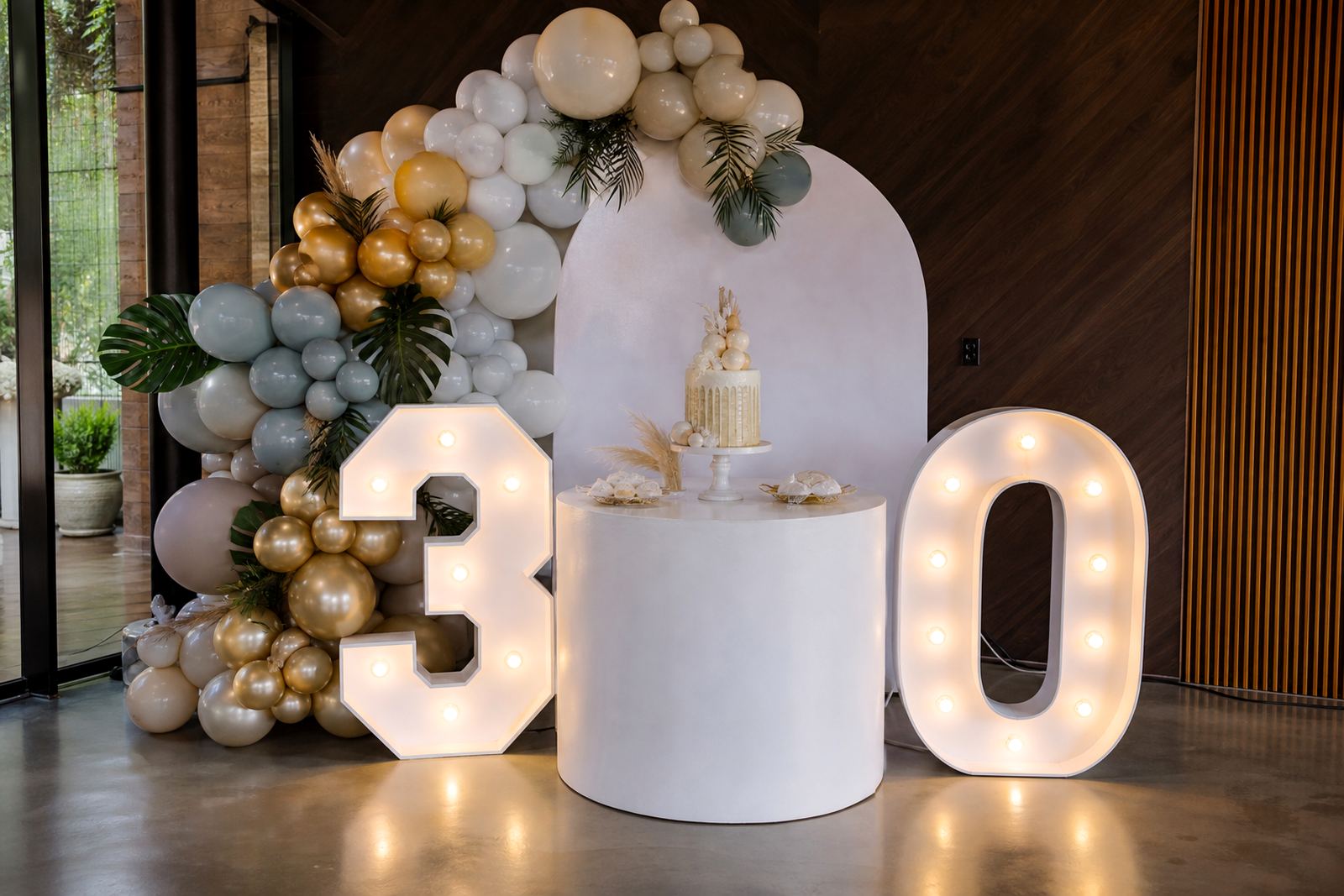
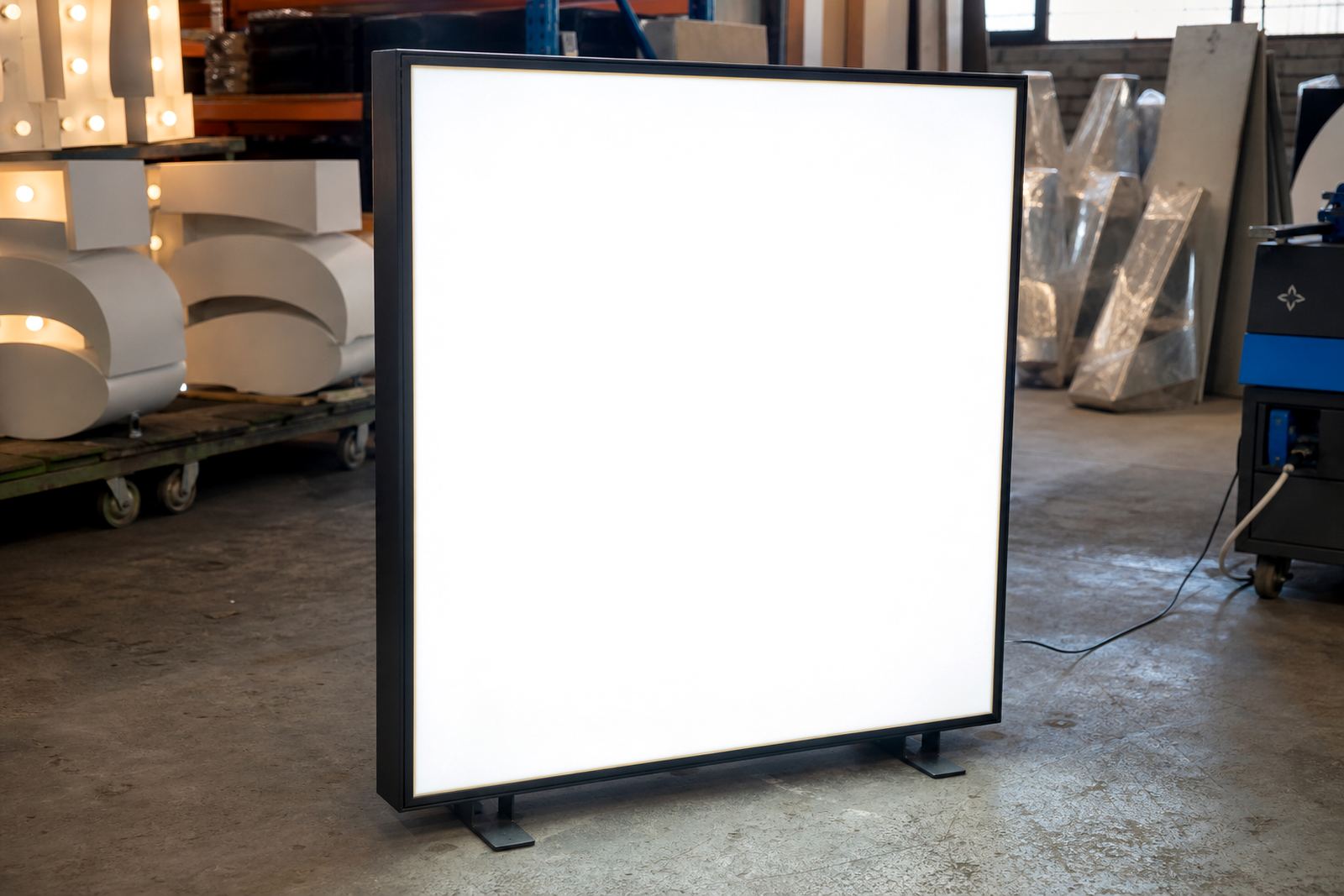
Marquee letters and illuminated signs carry well because the shape is strong, even from a distance. LED lightboxes are useful where the venue has mixed lighting, bright daylight from glass doors, or a busy backdrop that could swallow a printed board. The goal is not decoration alone, it is legibility.
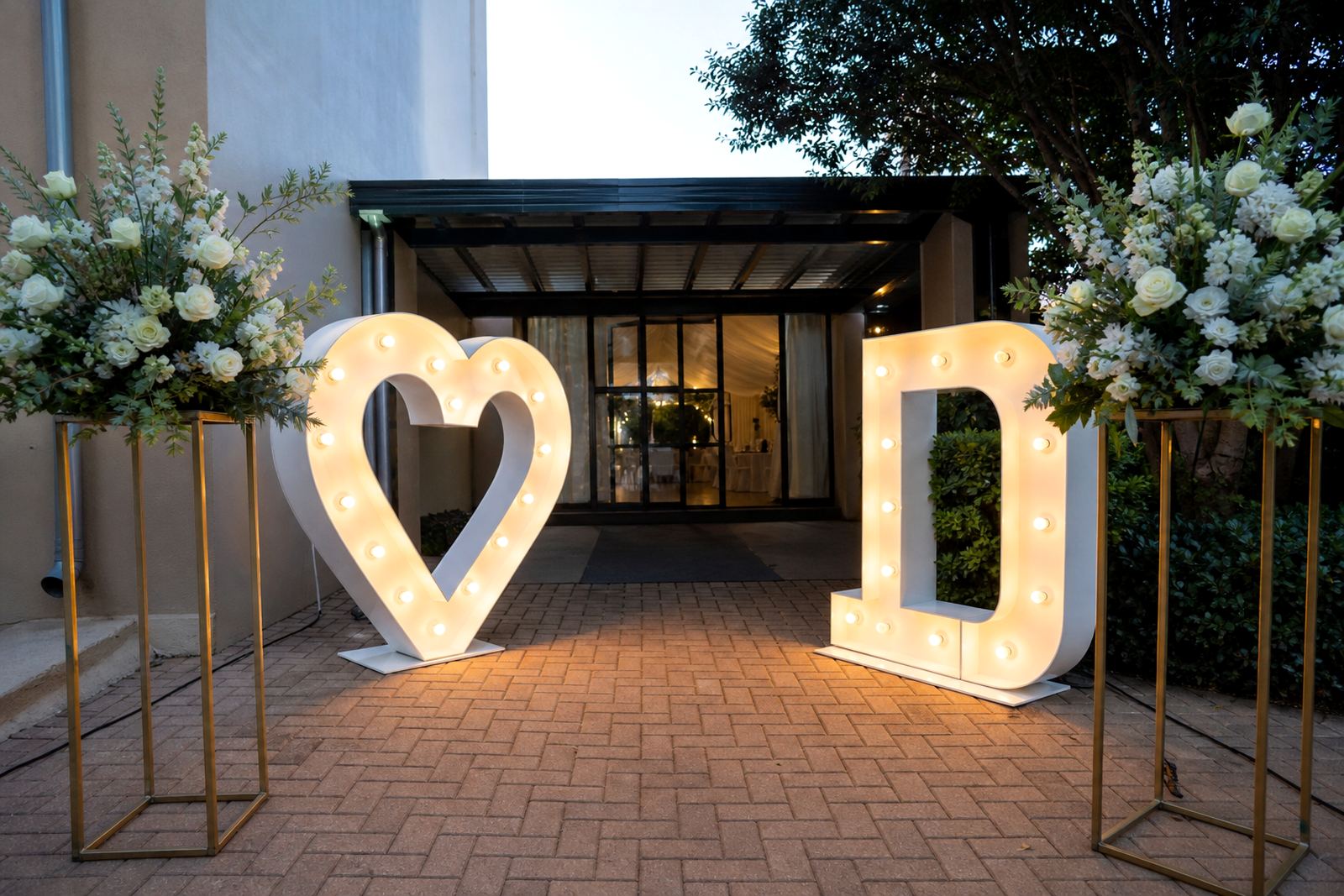
For evening events, a lit sign can separate the entrance from the rest of the venue and help guests find the right point quickly. For daytime functions, size matters more than glow. Large characters, plain wording and good contrast do most of the work. Too many words make the sign harder to read and the message gets lost.
- Use one message, not several lines fighting for attention.
- Pick a finish that stands out against the wall, drape or backdrop.
- For outdoor entrances, make sure the sign holds its shape in light wind.
- For indoor foyers, avoid glare from polished floors or mirrored panels.
Keep the Doorway Free for People and Service Flow
Entrance signage should welcome people without turning the entry point into an obstacle. In busy venues around Johannesburg or Pretoria, the front area often carries more than guests. There may be ushers, security, gift tables, a guest book, or catering movement close by, so the layout needs breathing room.
A sign can stand beside the entry path, above the route, or just inside the doors if the venue width is limited. What matters is that no one has to step around cables, frames or bases when arriving in formal shoes or carrying children. A narrow passage can become awkward very quickly, especially when people pause for photos.
Safe cable routing belongs in the plan from the start. Leads should be kept neat, taped or covered where needed, and positioned away from feet, heels and moving equipment. If the venue uses a power point near the entrance, the route from supply to sign should stay tidy and short.
Match the Sign to the Event Mood Without Overdoing It
Good entrance signage should suit the event and venue, so guests read it as belonging there instead of looking like something placed near the door at the last minute. For a wedding, the wording may be softer and more formal. For a product launch, the sign can carry a bolder message that supports the brand. For a birthday or engagement, a bright illuminated word or name can do the job neatly.
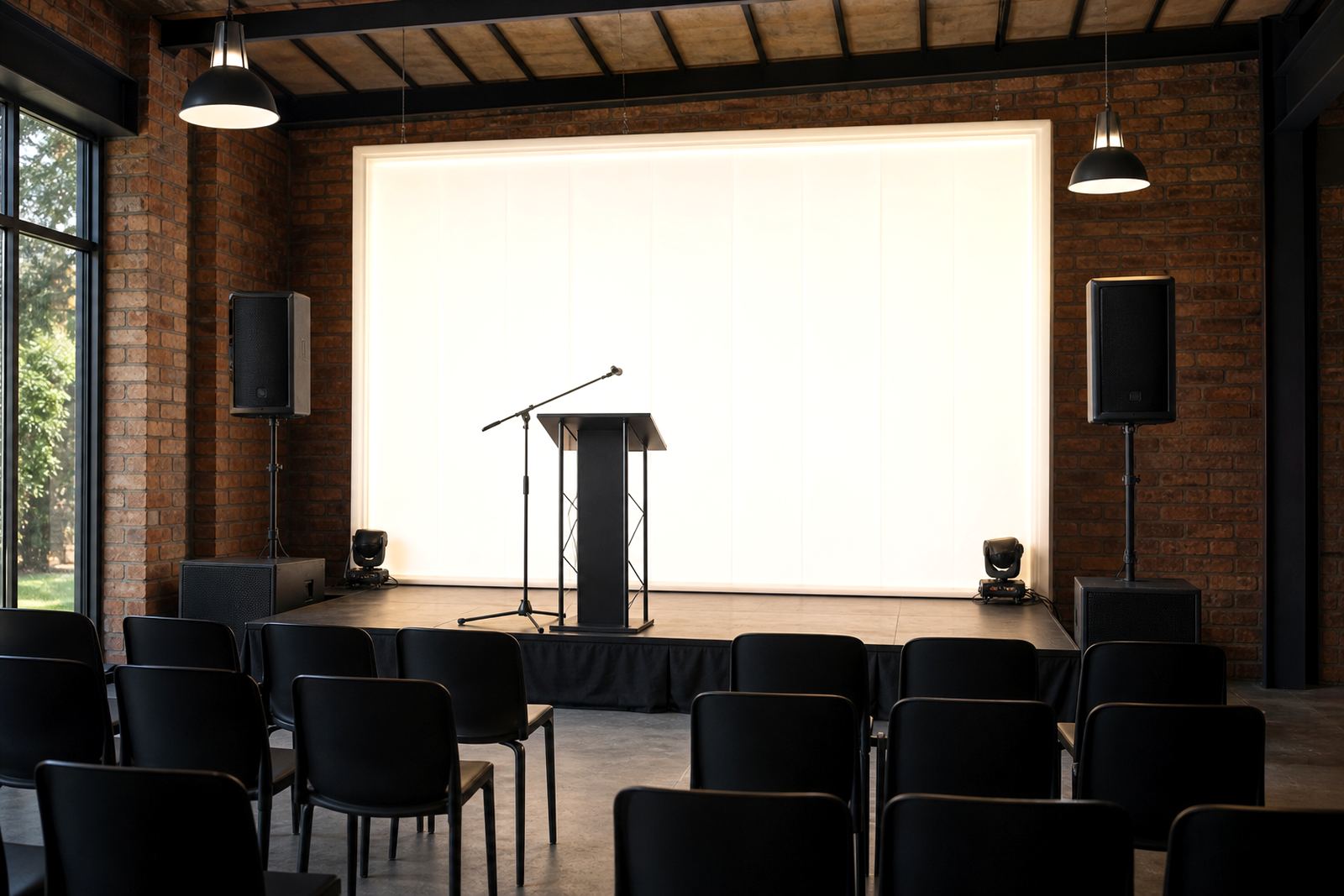
Colour, height and shape should follow the mood of the venue. A coastal venue with strong daylight may need a stronger contrast than a dim ballroom. In a corporate setting, a clean lightbox can work better than a busy mix of props. The sign should help people know where they are and how to enter, while still looking at home in the space.
- Use wording that suits the guest list and purpose of the event.
- Keep decorative extras away from the main message.
- Balance the sign with florals, podiums or branded panels nearby.
- In outdoor settings, check whether the base needs extra stability on paving or grass.
Power, Placement and the Venue Check That Saves Trouble
Illuminated signs need power points that are usable, reachable and placed with the layout in mind. A venue may have a socket close to the entrance, but that does not always mean it is the best point for a display. The cable run still has to stay safe and discreet, especially where guests are arriving in formal wear or where photographers are working near the doorway.
A proper venue check looks at the nearest power point, the route of the lead, the floor finish and the available clearance. If the entrance has a polished tile floor, loose cable can become a slip risk. If the setup is outdoors, the ground may be uneven and needs a steadier base. On some sites in Gauteng, the entrance is under a canopy or side drive, so the sign needs to fit the actual approach rather than the plan on paper.
When the sign is set up correctly, it feels like it belongs there. Guests read the message, move through easily and the front of the venue stays orderly.
A Midrand Arrival Point That Works in Practice
Picture a corporate function in Midrand with guests arriving from Johannesburg, Sandton and Centurion. The venue foyer is busy, the front doors open onto a narrow entry strip, and the client wants a lit welcome point without blocking movement. In that setting, a lightbox placed slightly off-centre can work better than a wide display across the doorway.
The booking team can plan the item size around the entrance width, while the setup crew routes the cable along the edge of the floor and keeps the face of the sign visible from the car drop-off point. If the event includes a photo area nearby, the entrance sign should not compete with it. Each element needs its own space, otherwise the first impression becomes cluttered.
That same thinking applies to weddings in Rosebank, launches in Fourways or late evening functions in Durban. The entrance has to guide people in, not slow them down.
A Small Checklist Before the Doors Open
Before guests arrive, the entrance area should be checked in the same order every time. A sign that looks fine from a distance can still cause trouble if it sits too close to a swing door or if the cable crosses a walking line. A short run through the front area helps keep the space calm and usable.
- Read the sign from the car drop-off point and from the door.
- Confirm that the wording is centred and level.
- Check that the base is steady on the floor finish.
- Make sure the cable is hidden, covered or routed away from feet.
- Leave enough room for guests to pause without blocking the entrance.
When the sign is clear, well lit and placed with care, it becomes part of the way people enter the event. That is the real test at any venue, from a hotel lobby to a marquee in Gauteng.