
The quick answer on what a lightbox does
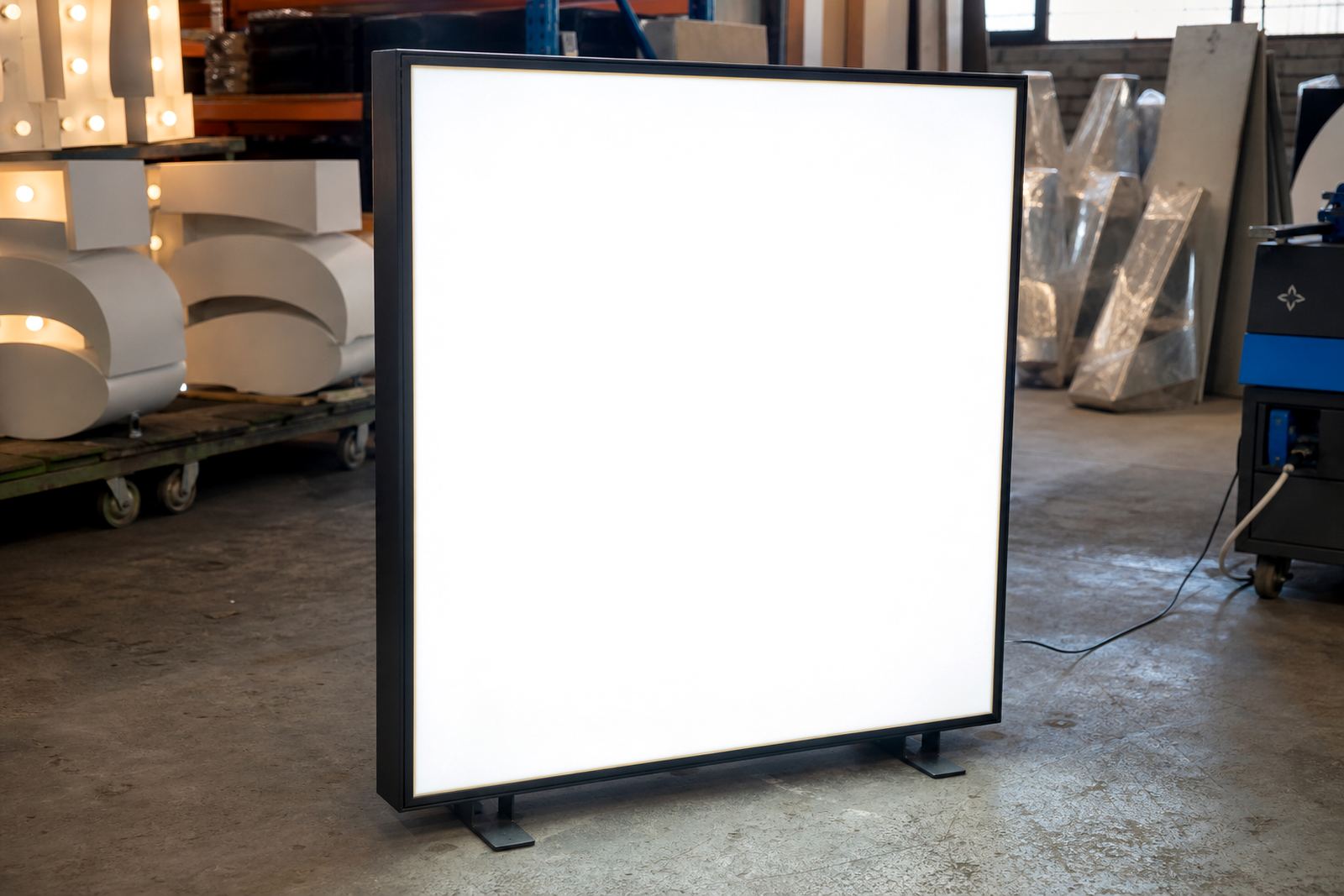
An LED lightbox is a lit frame with a printed or fitted face that glows from behind. The light spreads evenly, so the wording or graphic stays visible in low light and still reads clearly during daytime functions.
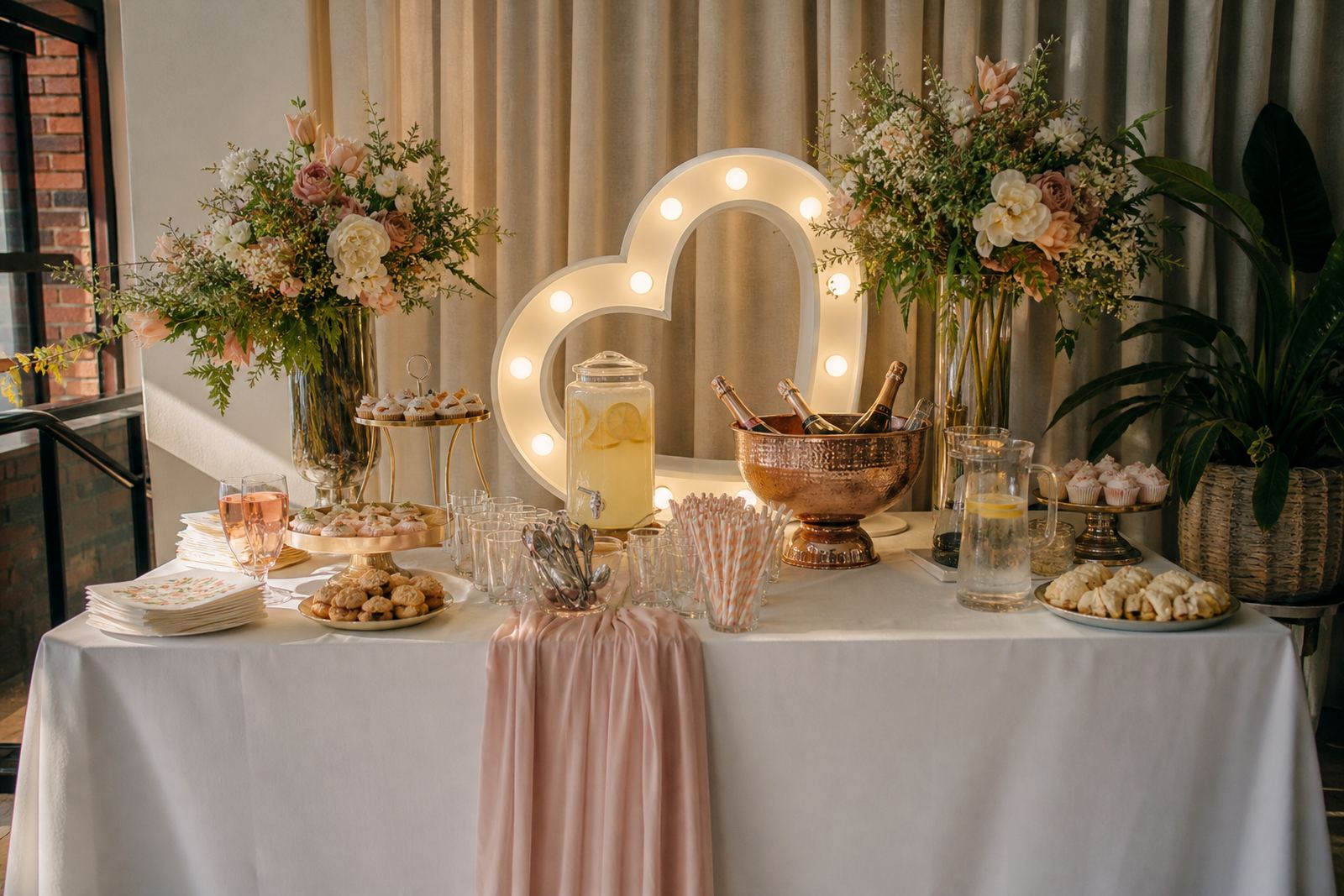
For weddings, parties and corporate events, the value is in the first look. A lightbox can mark an entrance, frame a dance floor or sit beside a stage without needing much floor space.
- It creates a bright point for photos.
- It helps guests spot key areas fast.
- It suits indoor halls and covered outdoor spaces.
- It pairs well with marquee letters and neon-style signs.
How LED lightboxes differ from plain event signage
Plain boards work when the room is bright and the message is short. A lightbox carries more presence after sunset, in banquet halls with dimmed lighting, or under a tent where the atmosphere changes through the evening.
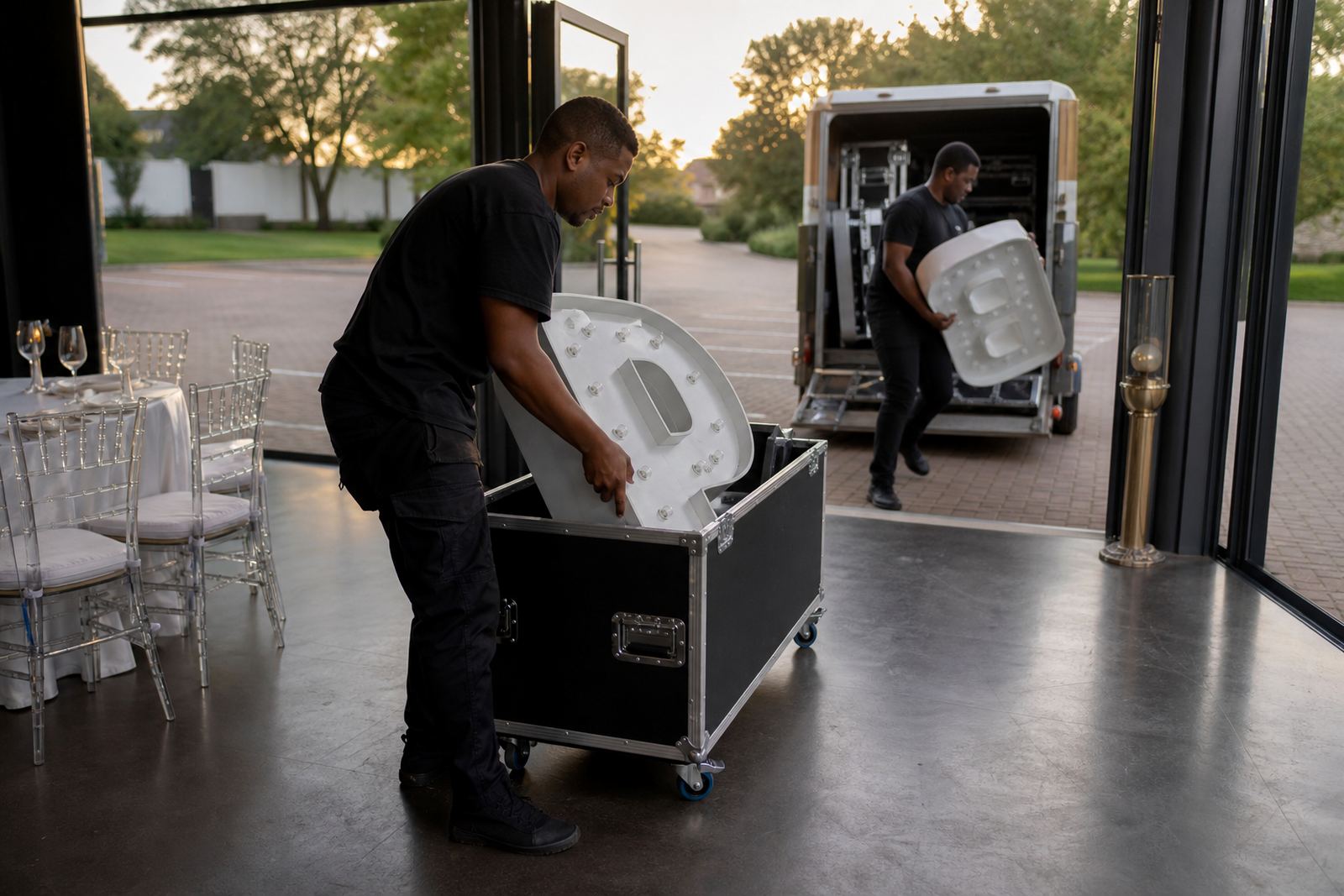
The LED units used for events are built for repeated set-up and collection. They are moved, positioned and checked by the crew so the face sits straight and the power point is used neatly.
- Illumination draws attention without loud decor.
- The frame stays tidy near tables, bars or entrances.
- Letters and symbols show up well in photographs.
- Safe cabling matters near walkways and draped areas.
Where the unit fits at a wedding, launch or party
Placement changes the whole effect. At a wedding, a lightbox may stand near the ceremony entrance or behind the couple's table. For a product launch, it can carry a brand message near the registration point or photo wall.
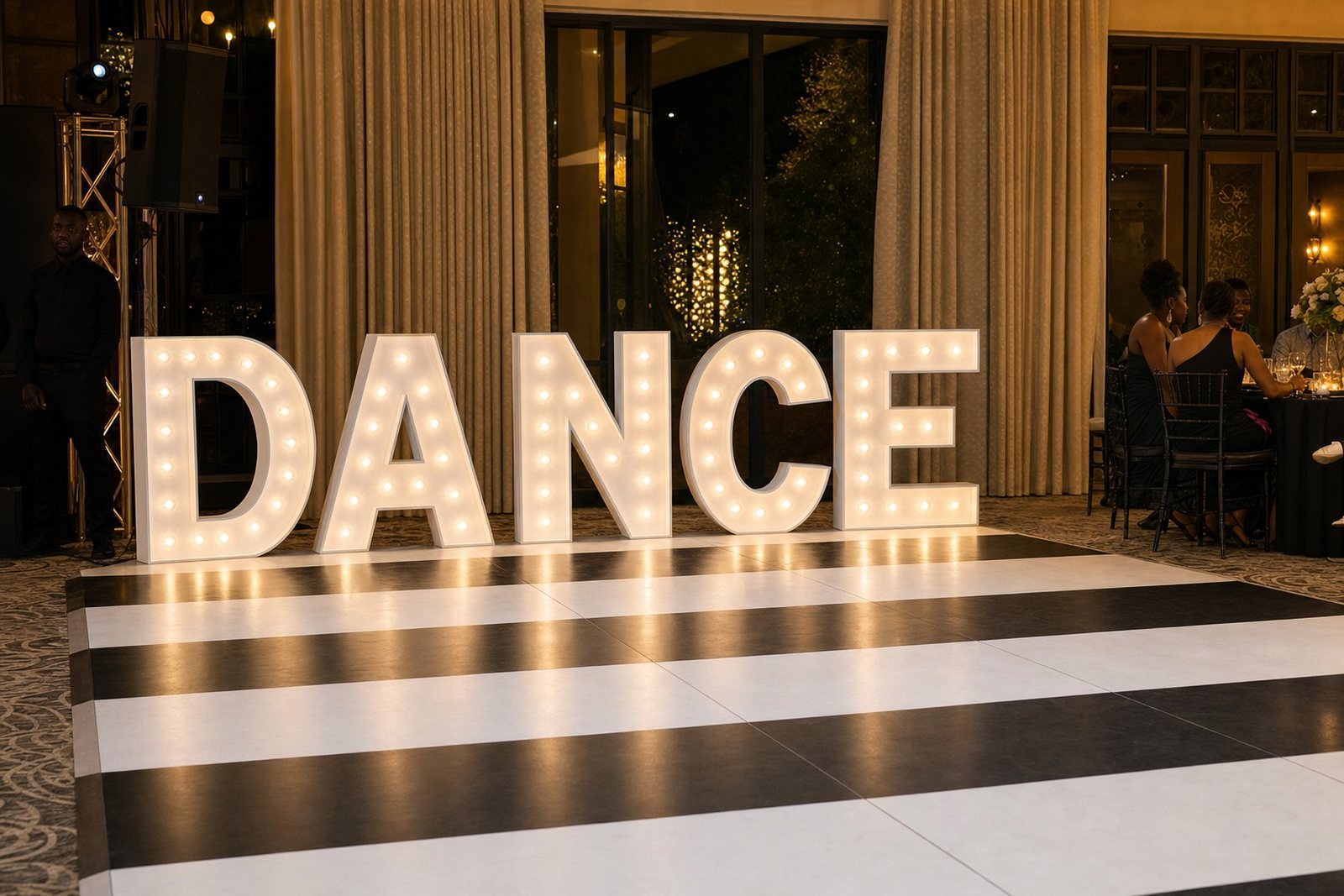
At birthday parties and year-end functions, illuminated letters often spell a name, number or short phrase. The display should be visible, but not block service areas or create a trip hazard for guests moving through the venue.
- Use it as a welcome feature at the door.
- Place it by the photo area for constant use.
- Set it near a stage for speeches or reveals.
- Keep it clear of heavy foot traffic and exits.
Power points, cabling and safer set-up at venues
Most event lightboxes need a nearby power point and a tidy cable path. That means checking where the socket sits, how the cable crosses the room, and whether tape, covers or route changes are needed to keep the area safe.
In older halls around Johannesburg or Pretoria, the nearest socket is not always the best one to use. Careful set-up starts with placement, then routes power so the display stays steady and the floor remains clear.
- Confirm the socket position before the unit arrives.
- Keep cables away from door swings and stair edges.
- Use safe routing where guests will walk.
- Place the display so the face stays level.
Lightboxes, marquee letters and neon-style signs together
Many events use more than one illuminated item. A lightbox can anchor the main message, while marquee letters give height and a neon-style sign adds a softer glow for photos or a bar area.
That mix works well when the venue has different zones. The entrance may need a clear sign, the dance floor may need a name or phrase, and the photo area may need something brighter and more playful.
- Mix sizes so the display feels balanced.
- Use one message per zone where possible.
- Match the lighting to the room and time of day.
- Leave enough space for guests to stand for photos.
Midrand event hire across Gauteng
A Midrand base helps when a function needs delivery into Sandton, Centurion, Rosebank or Pretoria, with collection after the event and transport planning for longer routes too. For a corporate evening in Johannesburg, the crew may install a branded lightbox near reception, then place illuminated letters beside the stage or media wall.
For a wedding in Durban, where coastal humidity can be part of the day, the display still needs careful handling, stable footing and dry placement under cover when required. Good event set-up is less about drama and more about the small details that keep the unit looking straight through the evening.
That is where the team structure matters: operations, logistics, setup, inventory and driver support each play a part. The result is a clean display that arrives in good order, sits neatly in the venue, and leaves without a mess once the last guest has gone home.