
Daylight asks more of the sign
At a daytime wedding, launch or corporate function, an illuminated sign is not carrying the room on its own. Sunlight, pale walls, glass doors and bright lawns all compete with it, so the lettering, frame and background need stronger contrast than you would use for an evening setup.
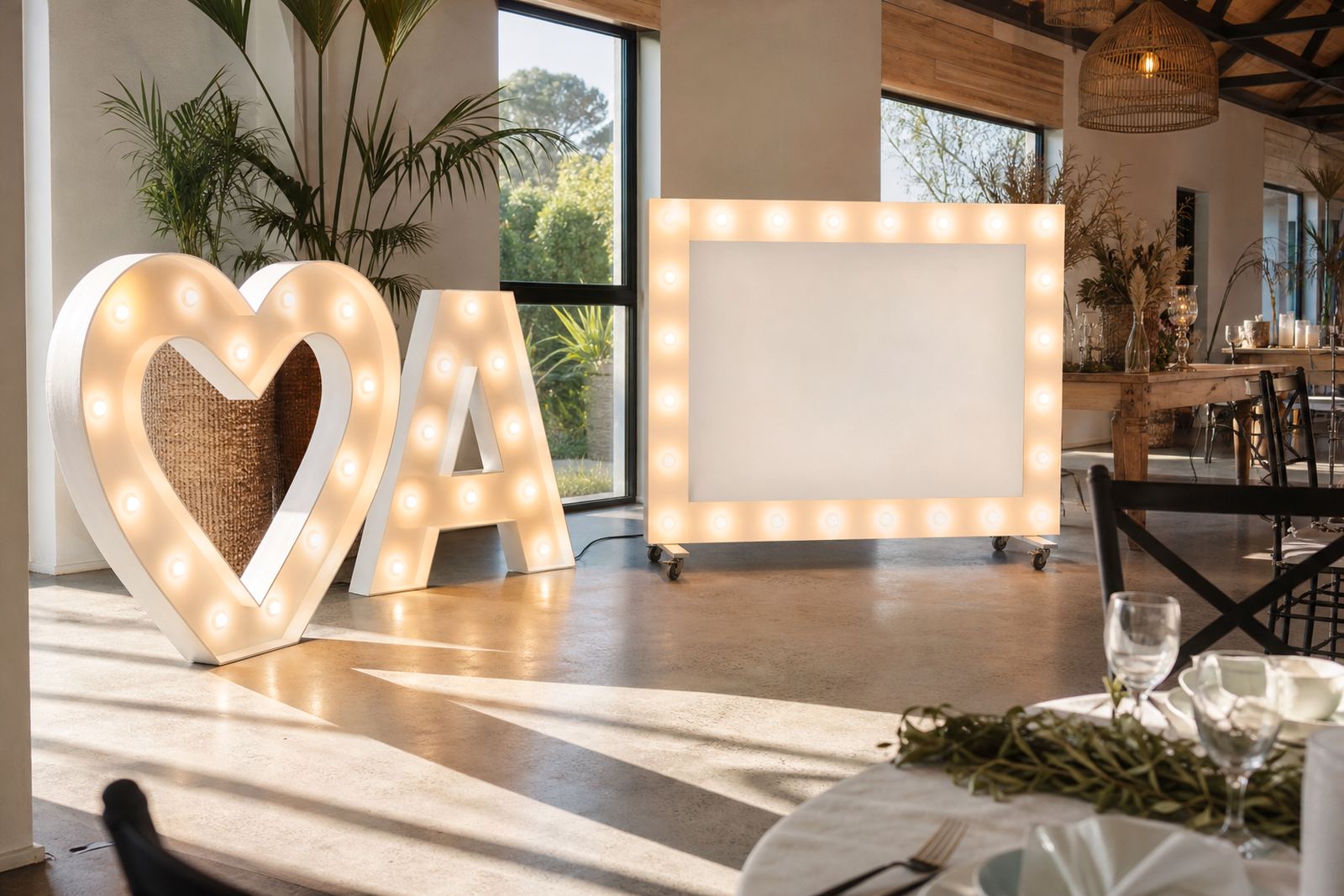
LED lightboxes work well when the face is kept clean and the surrounding décor does not crowd the frame. Marquee letters do best where guests can see them from the main walkway, the welcome drinks area or a photo moment with shade nearby. On a clear Gauteng afternoon, a sign that looked bold in the workshop can disappear fast if it sits under direct sun or behind a white floral wall.
Placement does the heavy lifting
Good placement matters more at midday than people expect. A sign should be angled so the face catches the eye, not the glare from the sky or a reflective floor. If the venue has a patio, courtyard or glass frontage, the setup needs a little adjustment so the letters stay legible from the guest path and the photographer’s side.
- Put the main sign where guests naturally pause, such as the entrance, stage edge or photo area.
- Keep clear space around the base so décor does not hide the lower parts of the letters.
- Use shade or a darker background where the venue is especially bright.
- Check that the sign faces the direction guests approach from, not only the camera angle.
For daytime functions in Sandton, Midrand and Centurion, that often means working with the room flow rather than only the floor plan. A sign can be bright enough and still read poorly if it is tucked into the wrong corner.
Power points and cabling must stay tidy
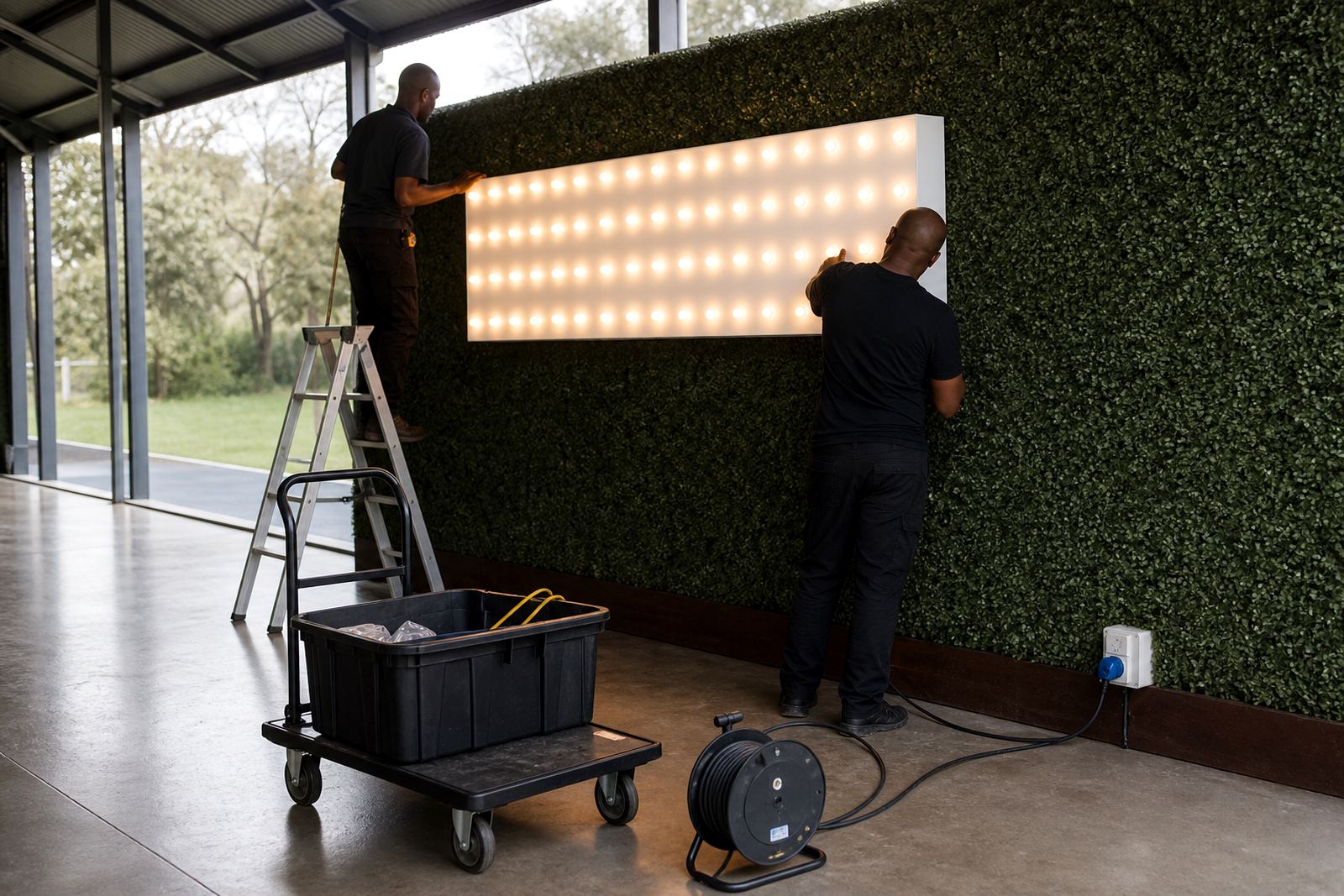
Illuminated décor depends on the venue power points being practical and close enough to keep cabling neat. The team checks where the supply points sit, how the cable can run safely and whether the route needs to stay behind drape, along a wall or under a protected edge. That keeps the setup looking sharp and reduces trip risk around guests, staff and cameras.
Safe cable routing also matters when the event runs across multiple zones, such as a welcome area, a stage and a photo corner. Long visible cables spoil the look very quickly. On outdoor lawns in Gauteng, the cable path has to stay dry, guarded and out of foot traffic, especially where guests move between cocktails and seating.
- Use the nearest practical power point rather than stretching across the room.
- Keep joins covered and away from drink stations or walkways.
- Leave enough slack for stable positioning, but not so much that loops sit loose on the floor.
- Match the sign location to the power route before the final placement.
What changes for weddings, parties and launches
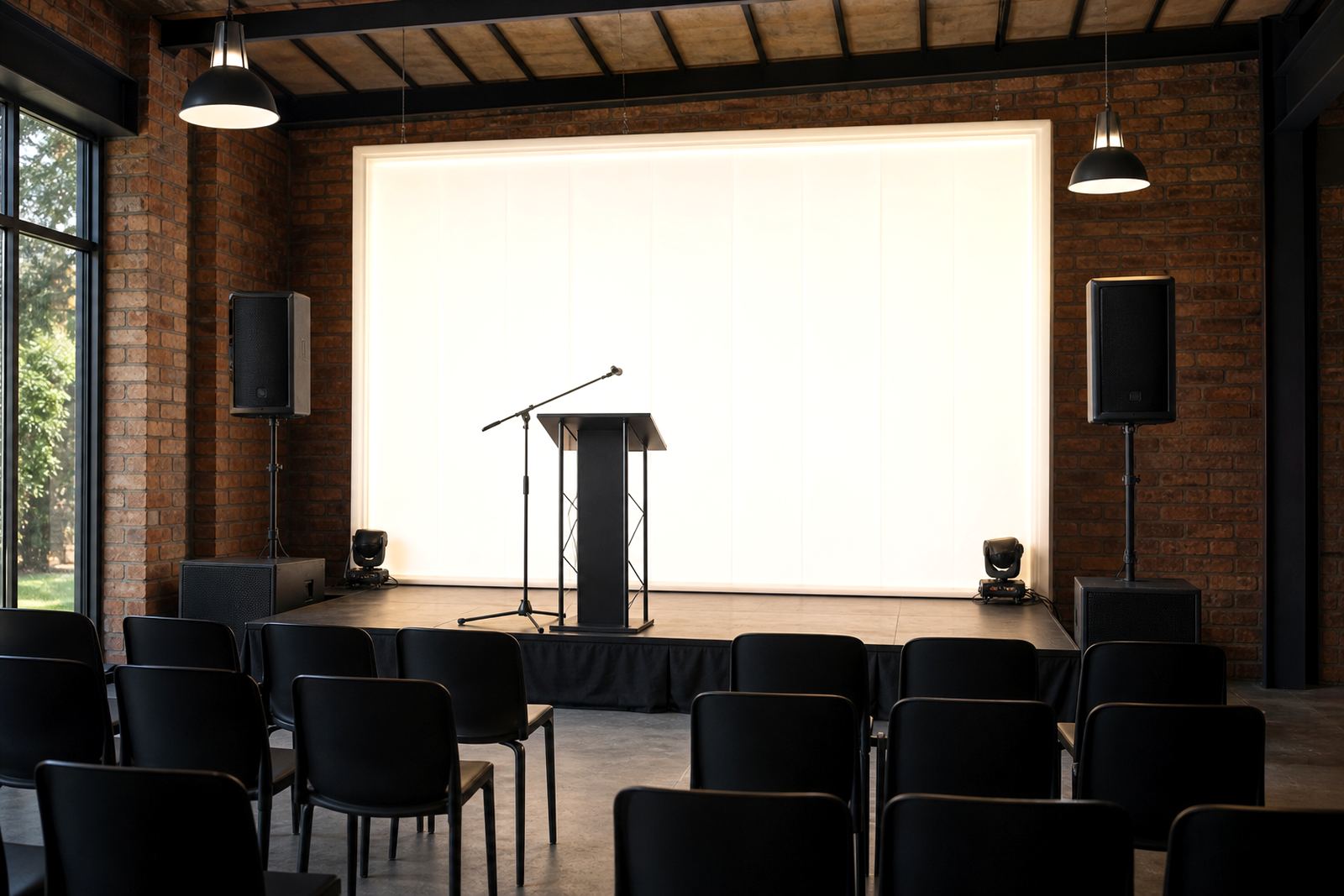
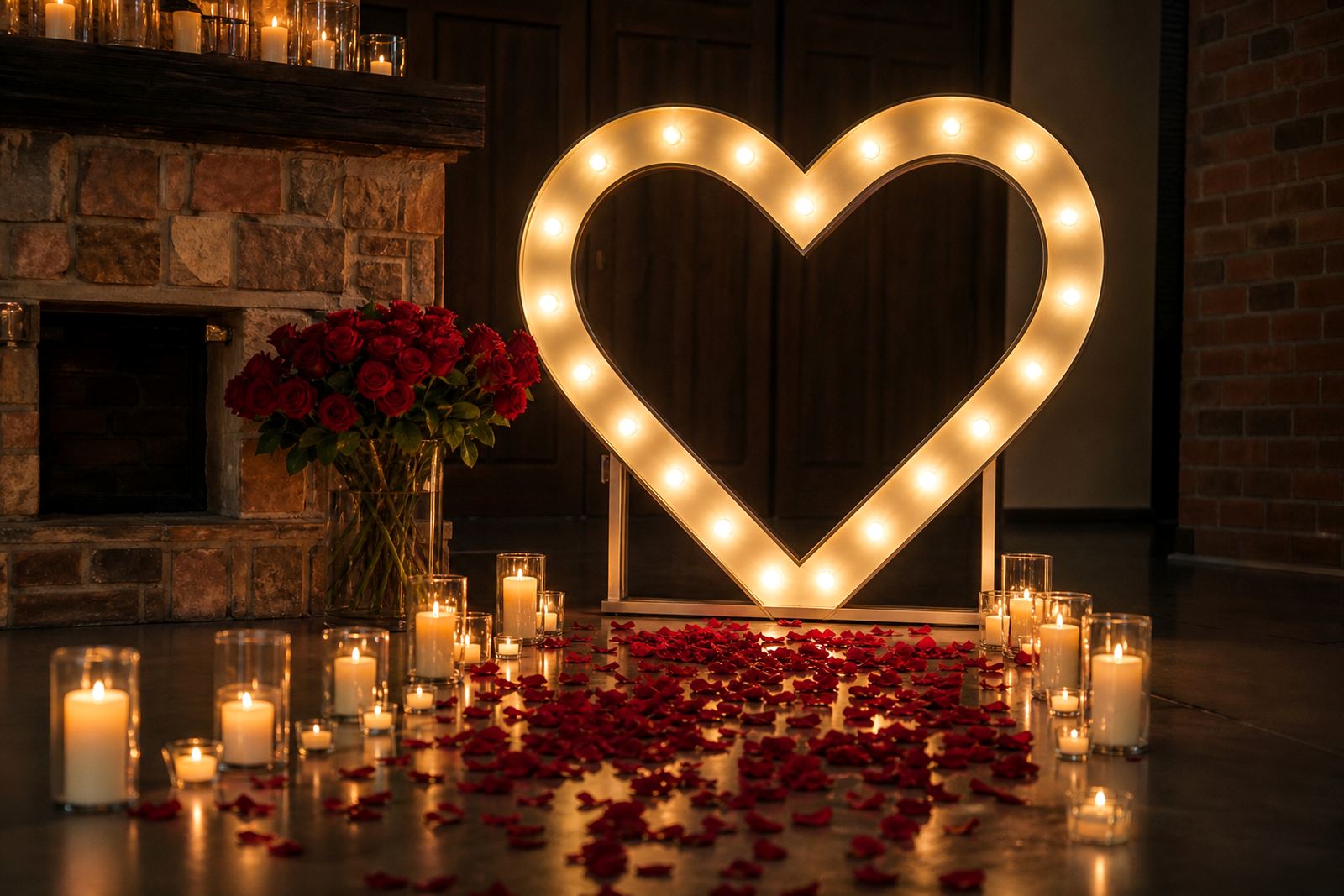
A wedding usually needs softer placement and a cleaner finish, often with a name sign, welcome message or a photo feature that sits well beside flowers and linen. Parties can handle bolder lettering and a brighter focal point, especially where the guests gather for pictures. Corporate launches usually call for strong branding, crisp spacing and a setup that reads well in daylight from a distance.
The same equipment can work across all three, but the message and position change the result. A neon-style sign may look festive in a lounge area, while marquee letters suit a dance floor entrance or a stage backdrop. LED lightboxes are useful where the wording must stay readable in changing light, from indoor reception halls to covered terraces.
A Midrand setup for a midday function
One practical example is a daytime corporate function in Midrand where the guest arrival starts under a bright covered area and the main programme sits in a hall with glass doors. The sign had to be visible in photos, but also readable to guests walking in from the parking side. The team placed the illuminated branding slightly off the direct sun line, used a darker backdrop and ran the cable along the edge of the wall so the space stayed clean.
That kind of setup does not need extra drama, only careful choices. The right angle, the right height and a tidy power route can make a daytime sign work properly even when the venue light keeps changing through the afternoon.
Collection after the last speech
Once the event ends, collection has to be handled with the same care as the setup. The unit needs to be switched off, packed correctly and lifted out without dragging cables across décor or floor finishes. In larger venues across Johannesburg, Pretoria, Rosebank and Fourways, that can also mean working around other contractors who are clearing tables, floral arrangements and staging at the same time.
For daytime functions, the collection plan matters because the event may finish while there is still strong natural light and a busy exit flow. Clear access to the sign, a sensible vehicle route and enough space for loading help keep the close-out controlled. The aim is not only to remove the item, but to leave the venue as it was handed over.
- Switch off and disconnect before the crowd starts thinning out.
- Check that no décor is clipped into the frame or power lead.
- Keep the removal route clear of gifts, luggage and loose chairs.
- Pack the signage so the faces and edges stay protected in transit.